

We provide specialized winterization services to safeguard your pool during the off-season, and when spring arrives, we handle the thorough opening process.
Recent Posts


Sign Up to get updates & news about us . Get Latest Deals from Walker's Inbox to our mail address.
Sign Up to get updates & news about us . Get Latest Deals from Walker's Inbox to our mail address.
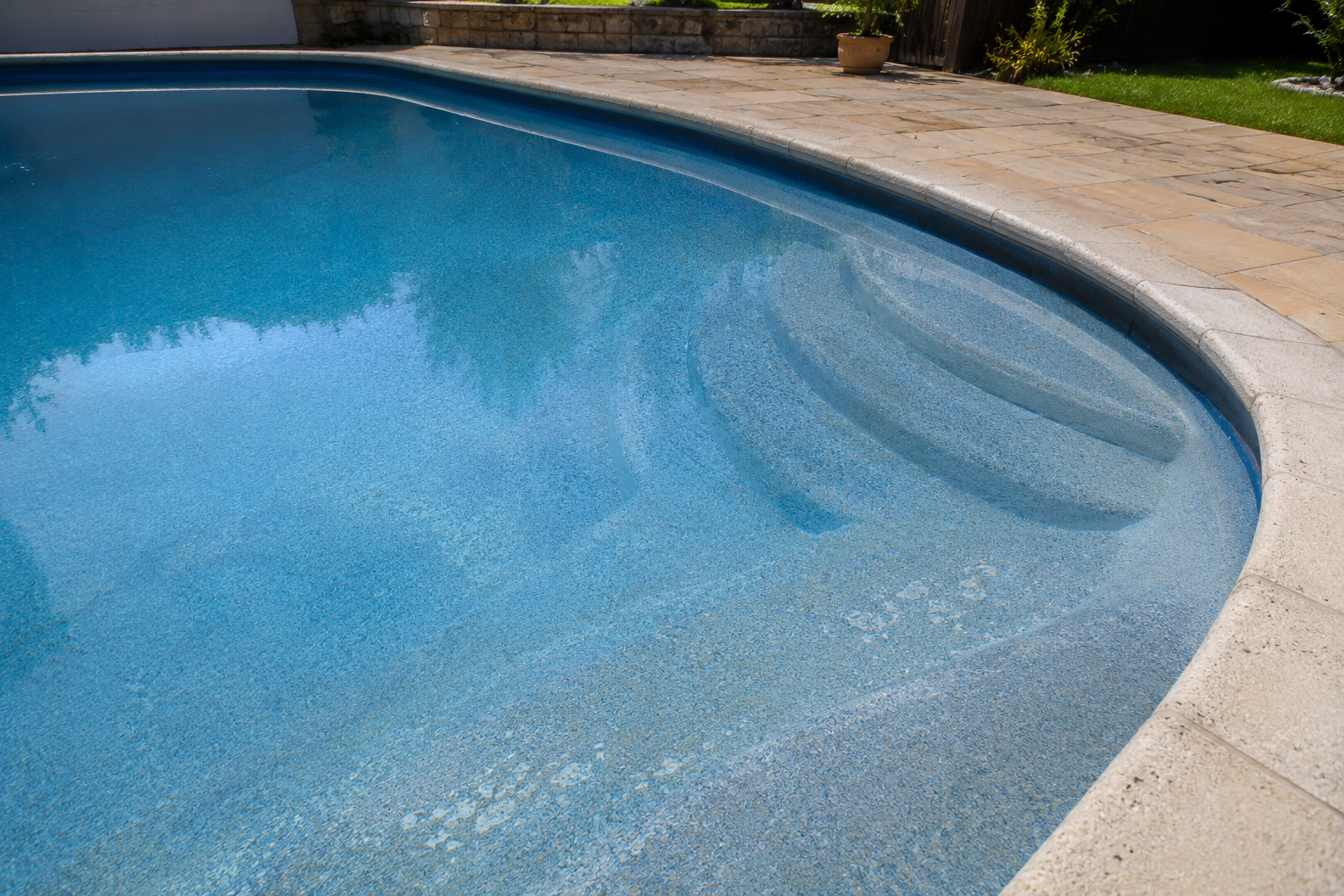
A rough swimming pool surface may be caused by ageing marbelite, calcium scale, chemical damage, exposed aggregate or a deteriorating fibreglass finish. Absolute Pools assesses damaged pool surfaces and provides practical repairs and resurfacing across Cape Town and surrounding areas.
A swimming pool surface should feel reasonably smooth underfoot and should not scratch swimmers, catch on cleaning equipment or release loose material into the water.
Roughness can develop gradually as the pool finish ages, or appear more quickly after unsuitable water chemistry, an aggressive cleaning treatment or a failed surface repair. The affected area may feel similar to sandpaper, exposed stone, sharp grit or uneven plaster.
The most common causes include worn marbelite, calcium scale, surface erosion, exposed aggregate, damaged grout, algae embedded in porous areas or deterioration of a fibreglass lining.
Cape Town pools are exposed to strong summer sunlight, changing water levels and periods of winter rain. Regular topping up, evaporation and inconsistent chemical balance can gradually affect the pool finish if the water is not maintained correctly.
Fill the form below and our team will be in touch with you shortly.
Marbelite is a cement-based pool finish that naturally wears over time.
As the upper layer erodes, the underlying aggregate becomes more exposed. The surface may begin feeling coarse, uneven or abrasive, particularly on the steps, shallow end and areas that receive regular foot traffic.
Older marbelite may also develop staining, discolouration, small pits and fine cracks. Once the deterioration becomes widespread, isolated patch repairs may remain visible and resurfacing may provide a more reliable result.
Aggregate gives marbelite its strength and texture, but it should not feel excessively sharp.
When the surrounding cement wears away, individual stones become exposed. The pool surface may then feel gritty or rough enough to scrape feet and damage automatic cleaner components.
Exposed aggregate usually indicates surface erosion rather than simple dirt that can be brushed away.
Calcium scale forms when dissolved minerals settle onto the pool surface.
It may feel rough, crusty or grainy and can appear as white, grey or pale deposits along the walls, steps, waterline tiles and fittings. Scale is more likely when the pH, alkalinity or calcium hardness remains too high.
Some deposits can be treated without resurfacing, but severe scale may bond firmly to the pool finish and require specialist removal.
High pH encourages calcium and other minerals to leave the water and form deposits.
The pool surface may gradually develop a rough coating even though the underlying marbelite remains structurally sound. The water may also appear cloudy, and scale can form on chlorinator cells, heaters and tile lines.
Correcting the water balance helps prevent additional scale but does not automatically remove deposits that have already hardened.
Very low pH can make pool water corrosive.
Instead of depositing minerals, the water begins attacking cement-based finishes, grout, metal fittings and some equipment components. Marbelite can become etched, porous and rough as the surface slowly dissolves.
The roughness caused by erosion cannot usually be corrected through water balancing alone. The damaged surface may need repair or resurfacing.
Alkalinity helps stabilise the pool pH.
When alkalinity remains too low, the pH can change rapidly and make the water more corrosive. Repeated periods of low pH may weaken marbelite and grout and contribute to a rough, uneven finish.
Water balance should be corrected early to prevent the damage from spreading.
Water with very high calcium can deposit scale, while water with insufficient calcium may become aggressive towards cement-based pool finishes.
Both conditions can contribute to a rough surface, although the underlying processes are different. One adds a hard mineral layer, while the other may slowly erode the existing finish.
Accurate testing helps determine whether the roughness is caused by scale or surface loss.
Concentrated pool chemicals can damage a surface when poured directly onto one area and allowed to settle.
Chlorine granules, acid and other products may create bleaching, etching, pitting or rough patches. The damage is often concentrated on the floor or steps where the chemical remained before dissolving.
Pool chemicals should be added and distributed according to suitable product instructions while the circulation system is working correctly.
An acid wash removes staining and a thin layer of cement-based material from a pool surface.
When it is too aggressive, repeated unnecessarily or applied unevenly, it can expose aggregate and leave the marbelite rougher than before.
Acid washing should not be treated as routine cleaning for every stained pool. The condition and remaining thickness of the surface should be assessed first.
Pool finishes can gradually erode through age, water imbalance, aggressive cleaning and normal use.
The deterioration may begin as isolated rough patches before spreading across the walls and floor. The surface can become porous, which makes staining and algae more difficult to control.
Widespread erosion usually indicates that the finish has reached the stage where resurfacing should be considered.
Grout between pool tiles can deteriorate and leave sharp or recessed joints.
Loose grout, cracked joints and exposed tile edges can make tiled areas feel rough even when the tiles themselves remain smooth.
Damaged grout can also allow water behind the tiles and contribute to additional movement or tile loss.
A chipped tile can create a sharp edge that feels like a rough pool surface.
Tiles around steps, benches and the waterline are particularly vulnerable to impact and movement. Loose tiles may also shift when stepped on.
Damaged tiles and grout should be repaired before they cause cuts or allow water behind the tiled finish.
Fibreglass pools can become rough when the gel coat deteriorates, fibres become exposed or previous repairs fail.
The surface may feel chalky, abrasive or uneven. Blisters, cracks and discolouration can appear at the same time.
A deteriorated fibreglass surface may require local repair or complete fibreglass relining, depending on the extent of the damage.
Poorly blended patches and unsuitable repair materials can create raised or rough areas.
A repair may remain structurally secure but still feel noticeably different from the surrounding finish. Other patches may crack, separate or release material into the pool.
The condition of previous repairs should be considered when deciding between another local repair and complete resurfacing.
Fill the form below and our team will be in touch with you shortly.
Marbelite roughness often develops slowly, making it easy to overlook until swimmers begin noticing discomfort.
The first affected areas are commonly the steps, shallow floor, corners and sections regularly brushed or walked on. The surface may also become patchy in colour as aggregate is exposed unevenly.
Minor isolated damage may be repaired locally. When roughness covers large sections of the pool, complete marbelite resurfacing usually produces a more consistent finish.
The underlying pool shell should also be checked for cracks, movement and hollow areas before a new surface is applied.
Steps and shallow areas experience more foot traffic than deeper sections of the swimming pool.
This can accelerate normal surface wear and make existing roughness more noticeable. Chemical granules may also settle on steps or shallow ledges and cause local etching.
Sharp tile edges, failed grout and previous patch repairs should be checked alongside the pool finish.
Rough steps deserve early attention because swimmers enter and leave the pool through these areas and are more likely to scrape their feet.
Roughness along the waterline is often connected to calcium scale.
Evaporation leaves minerals behind, creating a visible and tactile deposit on tiles, grout and surrounding surfaces. The affected area may feel crusty and become increasingly difficult to clean.
Waterline scale can sometimes be treated without resurfacing the entire pool. The correct approach depends on the type and thickness of the deposit and the condition of the underlying finish.
Fill the form below and our team will be in touch with you shortly.
White or pale grey deposits commonly indicate calcium scale or another mineral buildup.
The deposits may form lines, patches or a widespread rough coating. They may also appear around return jets, pool lights, tiles and heating equipment.
Removing mineral scale without addressing the water balance allows it to return. The pH, alkalinity and calcium hardness should be corrected as part of the repair.
A rough surface becomes more porous and holds dirt, metals and algae more easily.
Brown, black, green or rust-coloured staining may develop inside small pits and exposed aggregate. Brushing may lighten the stain temporarily without restoring the surface.
The cause of the staining should be identified before aggressive cleaning is attempted. Some marks are chemical or organic, while others indicate physical deterioration that needs repair.
Algae attaches more easily to porous, cracked and uneven surfaces.
The pool may repeatedly develop green or black patches in the same areas even when the general water condition improves. The rough finish shelters algae from normal brushing and circulation.
Treating the algae remains necessary, but recurring growth may continue until the deteriorated surface is repaired or resurfaced.
Fill the form below and our team will be in touch with you shortly.
A pool may feel rough after algae has been removed because the treatment reveals damage that was previously hidden.
Scale, exposed aggregate and surface erosion can become more noticeable once the walls and floor are clean. Aggressive brushing or unsuitable chemical treatment may also worsen an already weak finish.
The pool should be assessed before additional acid or abrasive cleaning is used.
An acid wash intentionally removes part of the cement-based surface.
A properly assessed and controlled treatment may improve staining, but it cannot replace missing material or restore a badly eroded finish. When too much material is removed, the aggregate becomes exposed and the pool feels rough.
Repeated acid washing can shorten the remaining lifespan of marbelite. Resurfacing may be more appropriate when the finish is already thin, pitted or heavily worn.
A newly resurfaced pool should not feel excessively sharp or contain widespread raised patches.
Some finishes have a natural texture, but the surface should still be reasonably consistent. Roughness after resurfacing may result from poor application, unsuitable curing, inadequate preparation or problems with the initial filling and water balance.
The new surface should be inspected promptly if it begins pitting, discolouring or releasing loose material.
Fill the form below and our team will be in touch with you shortly.
Cement-based pool finishes are designed to remain submerged.
Leaving a pool empty for an extended period can expose the surface to heat, drying and rapid temperature changes. Existing cracks and weak areas may become more visible.
An empty pool can also face structural risks depending on groundwater and site conditions. Draining should therefore be planned carefully rather than done solely to inspect the rough finish.
A clean-looking pool can still have a deteriorated surface.
Fine erosion, exposed aggregate and clear calcium scale may be easier to feel than see. The problem may only become obvious when walking on the steps or brushing the walls.
Physical inspection helps distinguish a rough finish from loose dirt or algae that can be removed through normal cleaning.
Yes. An abrasive surface can scrape feet, knees, hands and other exposed skin.
Sharp tile edges and badly exposed aggregate pose a greater risk than mild texture. Children and swimmers who spend time on steps and shallow ledges may be affected most.
Swimming should be limited when the surface contains sharp, loose or broken material.
Fill the form below and our team will be in touch with you shortly.
A rough pool surface can accelerate wear on automatic pool cleaner components.
Footpads, shoes, tracks, wheels, diaphragms and hoses may wear faster as the cleaner moves across abrasive areas. The cleaner may also become stuck on raised repairs or damaged tiles.
Replacing cleaner parts without addressing a severely deteriorated surface can lead to repeated wear.
Correct water chemistry can stop additional damage, but it cannot replace material that has already eroded.
Balancing the pH, alkalinity and calcium may reduce further scale or corrosion. Existing deposits may still need removal, while pitted and exposed surfaces may require repair or resurfacing.
The water should remain balanced after repairs to protect the new finish.
Some calcium scale can be removed without replacing the pool surface.
The appropriate method depends on the severity of the deposit, the pool finish and the condition beneath it. Light scale may respond to controlled cleaning and water-balance correction.
Heavy scale that has bonded deeply to worn marbelite may be difficult to remove without exposing more aggregate. Resurfacing can become the more practical option when scale and surface deterioration occur together.
Fill the form below and our team will be in touch with you shortly.
A local repair may be suitable when the roughness is confined to a small area and the surrounding finish remains secure.
Examples include an isolated chipped tile, damaged grout joint, small failed patch or limited section of exposed aggregate.
The repaired area may not match the older surrounding finish perfectly. Colour and texture differences are more noticeable on aged marbelite.
Resurfacing should be considered when roughness affects large sections of the walls, floor or steps.
Other indications include widespread pitting, exposed aggregate, peeling marbelite, recurring staining, multiple failed repairs and a finish that has become difficult to keep clean.
The condition of the pool shell, fittings, tiles and coping should be checked while planning the resurfacing work. Completing related repairs at the same time can avoid damaging the new finish later.
Absolute Pools examines the location, texture and extent of the roughness before recommending repairs.
The pool finish is checked for scale, erosion, exposed aggregate, cracks, hollow areas, loose tiles, damaged grout and failed previous repairs. The water condition and maintenance history may also provide clues about whether the damage was caused by high or low pH.
Marbelite and fibreglass surfaces require different repair methods. The assessment therefore considers the existing finish and whether local repairs can provide a reliable result.
Where the deterioration is widespread, complete resurfacing or fibreglass relining may be recommended instead of multiple visible patches.
Fill the form below and our team will be in touch with you shortly.
The appropriate repair depends on the pool finish and cause of the roughness.
Mineral deposits may require controlled scale removal and water-balance correction. Damaged tiles and grout can be repaired locally where the surrounding material remains secure.
Small marbelite defects may be patched, although the repair can remain visible. Widespread erosion may require the old surface to be prepared before a new marbelite finish is applied.
Fibreglass surfaces may need local laminate repairs, gel-coat work or complete fibreglass relining.
Marbelite resurfacing restores a worn cement-based pool finish.
The pool is drained safely, and the existing surface is assessed for loose material, cracks and structural defects. Damaged areas are prepared and repaired before the new finish is applied.
Proper preparation is important because the new marbelite must bond securely to the underlying surface. The pool is then refilled and the new finish managed carefully during its initial curing period.
The water balance after filling can influence the appearance and long-term condition of the new surface.
Fibreglass relining may be suitable when a fibreglass pool has become rough, blistered, cracked or faded.
The existing surface is prepared, damaged laminate is repaired and a new lining system is applied. The process can restore a smoother finish and improve the appearance of an ageing pool.
The underlying cause of any movement, water ingress or structural damage should be addressed before relining.
Fill the form below and our team will be in touch with you shortly.
Maintain a stable pH and alkalinity and monitor calcium hardness where appropriate.
Avoid allowing concentrated chemicals to settle on the pool floor. Keep the pump running while suitable products are distributed according to their instructions.
Do not use repeated acid washing as a substitute for resurfacing a worn finish. Address scale, cracks and loose tiles before the damage spreads.
Regular inspections are particularly useful on older marbelite and fibreglass pools, where early repairs may prevent larger sections from failing.
Absolute Pools repairs rough, worn and deteriorated swimming pool surfaces across Cape Town and surrounding areas, including the Northern Suburbs, Southern Suburbs, Atlantic Seaboard, Cape Town City Bowl, West Coast suburbs and Helderberg.
Service areas include Durbanville, Bellville, Brackenfell, Kraaifontein, Parow, Goodwood, Milnerton, Table View, Parklands, Blouberg, Century City, Pinelands, Rondebosch, Claremont, Newlands, Constantia, Tokai, Wynberg, Plumstead, Hout Bay, Sea Point, Green Point, Camps Bay, Somerset West, Strand, Gordon’s Bay, Stellenbosch, Paarl and surrounding areas.
Fill the form below and our team will be in touch with you shortly.
Absolute Pools assesses whether the roughness is caused by calcium scale, marbelite erosion, exposed aggregate, damaged tiles or a deteriorating fibreglass finish.
We assist with marbelite repairs, pool resurfacing, fibreglass repairs, fibreglass relining, tile repairs and waterline restoration.
Our focus is on recommending a practical repair based on the condition of the existing surface rather than covering widespread deterioration with repeated temporary patches.
A rough swimming pool surface can become uncomfortable, damage cleaning equipment and indicate that the finish is deteriorating.
Contact Absolute Pools for pool surface inspections, repairs and resurfacing across Cape Town and surrounding areas.
Fill the form below and our team will be in touch with you shortly.
WhatsApp us