

We provide specialized winterization services to safeguard your pool during the off-season, and when spring arrives, we handle the thorough opening process.
Recent Posts


Sign Up to get updates & news about us . Get Latest Deals from Walker's Inbox to our mail address.
Sign Up to get updates & news about us . Get Latest Deals from Walker's Inbox to our mail address.
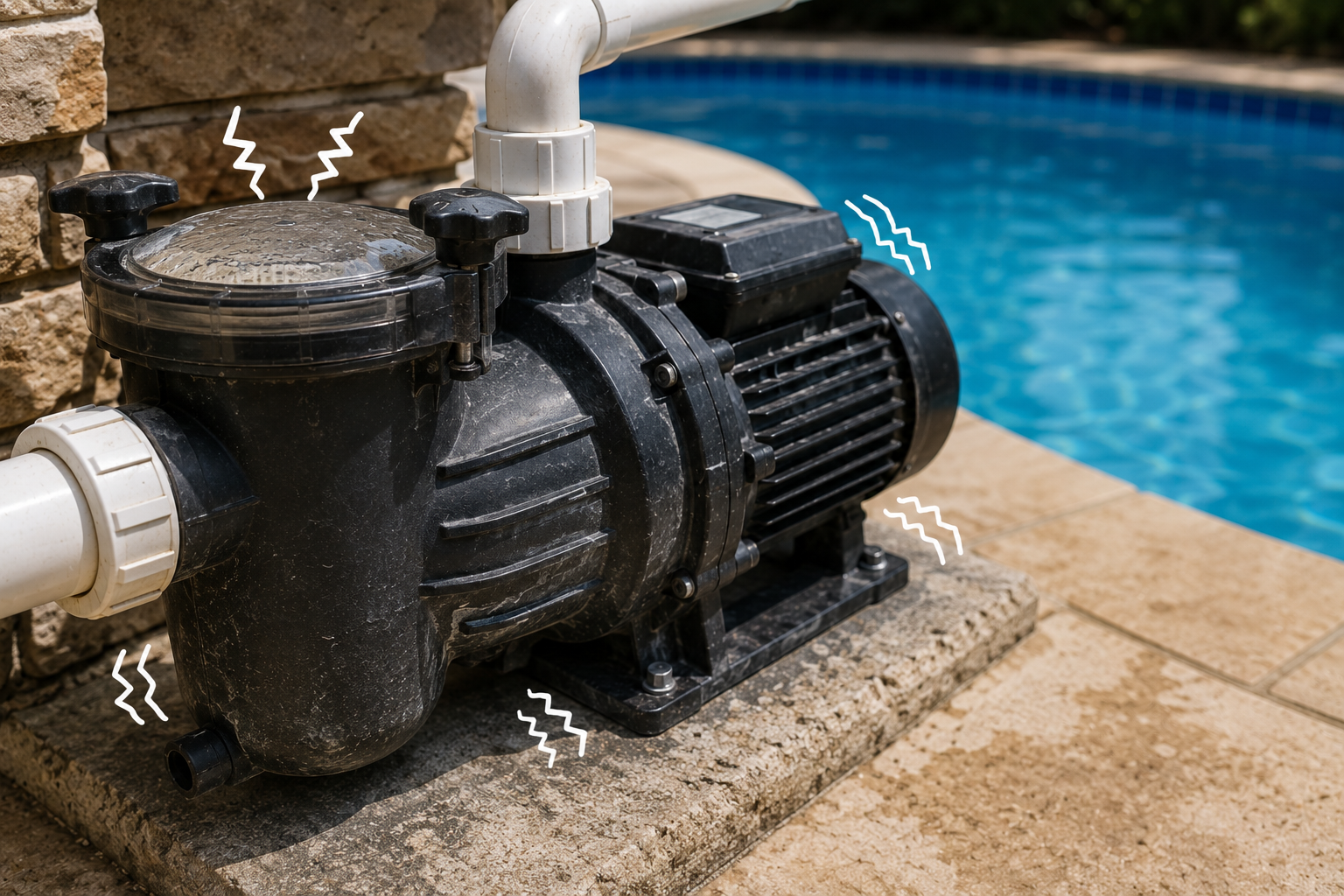
A noisy pool pump may have worn bearings, trapped air, a blocked impeller, loose fittings or motor damage. Absolute Pools diagnoses and repairs noisy pool pumps across Cape Town and surrounding areas.
A swimming pool pump normally produces a steady motor sound while circulating water. When that sound changes to humming, grinding, rattling, screeching, buzzing or knocking, the pump or circulation system may need attention.
The type of noise, when it occurs and whether water flow has changed can help identify the likely problem. A pump that rattles during startup may have a loose component or debris inside it, while a pump that gradually becomes louder may have worn motor bearings.
Some noises come from the pump itself. Others are caused by low water levels, blocked baskets, suction leaks, restricted plumbing or air entering the circulation system.
A noisy pump should not be ignored. Continued operation can turn a small bearing, seal or blockage problem into more extensive motor or pump damage.
A humming sound usually means the motor is receiving electricity but is not turning normally.
The start capacitor may have failed, the shaft may be difficult to turn or debris may be preventing the impeller from rotating. The motor can also hum when the electrical supply is incorrect or internal windings are damaged.
A pump that hums without starting should be switched off promptly. Leaving the motor energised while it cannot turn can cause overheating and electrical tripping.
Grinding often indicates worn motor bearings or internal mechanical damage.
Bearings support the rotating motor shaft. As they deteriorate, the pump may become progressively louder and develop a rough metallic sound. Severe bearing damage can make the motor difficult to turn and eventually cause it to seize.
Grinding can also come from debris rubbing against the impeller or another moving component.
A rattling pump may have loose mounting bolts, vibrating pipes, a damaged impeller or debris trapped inside the housing.
The noise can also occur when the pump is not receiving enough water. Air and water moving unevenly through the pump can create vibration and a loose, gravel-like sound.
The pump base, pipe supports, lid and surrounding equipment should be checked before the motor is dismantled.
A high-pitched screech commonly points towards dry or badly worn bearings.
The noise may begin only after the pump has been running for several minutes and become louder as the motor warms up.
A screeching pump should be repaired before the bearing fails completely or damages the motor shaft.
Buzzing may come from the motor, capacitor, timer, contactor or another electrical component.
The pump may still operate, start slowly or stop intermittently. Loose electrical connections can also produce buzzing and heat.
Electrical covers and wiring should not be opened without the necessary experience. Where specialised electrical work is required, it should be completed safely by a qualified electrician.
A knocking sound can result from loose internal components, damaged impeller parts or pipes moving when the pump starts and stops.
Water flow changes can cause unsupported pipework to shift against walls, equipment or the concrete base.
The source should be narrowed down before the noise causes a fitting or pipe connection to fail.
A pump that sounds as though stones are moving through it may be experiencing cavitation.
Cavitation occurs when the pump receives insufficient water and small vapour bubbles form and collapse inside the housing. This can damage the impeller and other internal surfaces over time.
Low water levels, blocked baskets, closed valves, suction leaks and undersized plumbing can all contribute to cavitation.
Fill the form below and our team will be in touch with you shortly.
Motor bearings are among the most common causes of gradually increasing pump noise.
The pump may begin with a mild whine and later develop grinding or screeching sounds. Vibration may increase, and the motor can become hotter than usual.
Bearing replacement may be practical when the remaining motor components are still in reasonable condition. A badly corroded or repeatedly failing motor may be better replaced.
Small debris can pass through a cracked basket or enter while the basket is removed.
Leaves, stones, cleaner parts and compacted debris can lodge in the impeller. The blockage may reduce water flow, create vibration and make the pump sound strained.
The motor may continue running even though the impeller cannot move water efficiently.
When the water level drops too low, the skimmer can draw air into the suction pipe.
The pump may gurgle, surge or rattle as it receives a mixture of air and water. Bubbles may also return through the pool jets.
Cape Town’s dry summer weather can increase evaporation, but repeated low water levels may indicate a leak or automatic filler problem.
A basket filled with leaves and debris restricts water reaching the pump.
The pump may become noisier as it struggles to draw enough water. Suction weakens, the cleaner may stop and the filter pressure may change.
Both baskets should be cleaned before more complex pump faults are assumed.
A suction-side air leak can cause gurgling, surging and rattling inside the pump.
Possible sources include a loose pump lid, damaged O-ring, cracked cleaner hose, leaking valve, loose pipe union or underground suction-line fault.
The pump basket may show a large air pocket or water that repeatedly rises and falls.
A poorly sealed lid can allow air into the pump housing.
The lid may be loose, incorrectly seated or cracked. Dirt beneath the O-ring can also prevent an airtight seal.
The pump can sound noisy even though no water is visibly leaking from the lid because air is being drawn inward.
A flattened, dry or cracked O-ring may allow a continuous stream of air into the suction system.
The seal should be cleaned, inspected and fitted correctly. A damaged O-ring should be replaced rather than forced to seal through excessive tightening.
A partly closed suction valve can restrict the amount of water entering the pump.
The pump may cavitate, vibrate or produce a harsh rattling sound. An incorrectly positioned return valve can also raise system pressure and make the equipment sound strained.
Valve positions should be checked before the pump is dismantled.
A blocked filter creates resistance after the pump.
The pump may operate under increased pressure, and water flow through the return jets may weaken. Old filter sand, a dirty cartridge or damaged internal components can cause the restriction.
The filter pressure gauge can help indicate whether the problem is before or after the pump.
A pump that is not secured firmly to its base can vibrate during operation.
The vibration may produce rattling against the concrete pad, pipework or nearby equipment. Cracked or uneven bases can make the problem worse.
The mounting and surrounding pipes should be stabilised without placing unnecessary stress on the pump housing.
Pool pipes should connect to the pump without forcing the housing sideways.
Poor alignment can transfer vibration into the plumbing and place pressure on unions and fittings. Pipes may knock against walls or other equipment when the motor starts.
The plumbing may need support or adjustment rather than a pump replacement.
Some pool pump motors have an external cooling fan beneath a rear cover.
A damaged fan, loose cover or debris inside the ventilation area can produce scraping, rattling or clicking sounds.
Restricted cooling can also cause the motor to overheat and trip after running for a period.
The mechanical seal prevents pool water from entering the motor area.
When it fails, water may leak beneath the pump and reach the bearings. Bearing noise may then develop as corrosion spreads.
Repairing the seal early can prevent water damage from turning into a full motor replacement.
Electrical faults can cause humming, buzzing, overheating and irregular startup.
The motor may run slowly, fail to reach full speed or trip the circuit. A faulty capacitor, loose connection or damaged winding may be responsible.
Electrical protection should never be bypassed to keep a noisy pump operating.
Fill the form below and our team will be in touch with you shortly.
A pump can continue circulating water even when internal components are deteriorating.
Worn bearings may remain operational for weeks while becoming progressively louder. A partially blocked impeller can still move some water, and a small suction leak may only cause occasional rattling.
Continued operation does not mean the noise is harmless. Early repair may prevent damage to the motor shaft, impeller and pump housing.
Noise combined with weak return flow often points towards restricted water movement.
The skimmer or pump basket may be blocked, the water level may be low or air may be entering the suction system. A blocked impeller or dirty filter can produce similar symptoms.
The pressure gauge and pump basket should be observed together. Low pressure can suggest a suction problem, while high pressure may indicate a filter or return-side restriction.
Air bubbles from the return jets suggest that air is entering before the pump.
The source may be the skimmer, cleaner hose, pump lid, drain plugs, suction valves or underground plumbing.
The pump may gurgle or surge as the basket alternates between water and air. The air leak should be repaired before it damages the mechanical seal or reduces filtration.
Fill the form below and our team will be in touch with you shortly.
A pump that becomes noisy and loses prime may not be receiving a continuous water supply.
The pool level may be too low, the skimmer may be blocked or the suction plumbing may be leaking. The pump basket may empty after shutdown and struggle to refill on the next startup.
Repeated dry running can overheat seals and increase the risk of motor damage.
A noisy pump that trips the power may have a seized bearing, blocked impeller, faulty capacitor or internal motor damage.
The motor may draw excessive current while trying to turn against mechanical resistance. Water entering the motor can also trigger earth-leakage protection.
The pump should remain off until the electrical and mechanical fault has been assessed.
Pool pump motors normally become warm, but excessive heat combined with unusual noise is a warning sign.
Worn bearings, poor ventilation, restricted flow, incorrect voltage or damaged motor windings can cause overheating.
The pump may switch off through internal thermal protection and restart after cooling. Repeated overheating can shorten the motor’s lifespan.
Fill the form below and our team will be in touch with you shortly.
A noisy pump after basket cleaning may have been restarted without sufficient water in the housing.
The lid or O-ring may also be incorrectly fitted, allowing air into the system. The basket itself may not be seated correctly.
The pump should be switched off, refilled where required and restarted only after the lid and valves have been checked.
Some air may enter the system during backwashing and rinsing.
The pump may sound rough briefly while normal circulation returns. The noise should reduce once the pump basket fills and air leaves through the return jets.
Persistent noise may indicate a low water level, priming problem or incorrectly positioned multiport valve.
The pump must be switched off before the multiport valve position is changed.
A replacement motor may be noisier when the old impeller, diffuser or pump housing is damaged.
Poor alignment between the motor and pump components can also cause vibration. Plumbing tension and an uneven mounting base may amplify normal motor sounds.
The complete pump assembly should be assessed rather than considering the new motor in isolation.
Fill the form below and our team will be in touch with you shortly.
A newly installed pump may expose restrictions or air leaks in older plumbing.
A pump with different flow characteristics can create stronger suction, increased pressure or vibration in poorly supported pipes.
The pump size, plumbing, valves and filter should be compatible. Installing an oversized pump can create unnecessary noise and strain.
Cape Town’s winter rain can affect outdoor pool equipment.
Water may enter the motor, capacitor cover, electrical connection or timer box. Wet debris can also block ventilation openings and baskets.
The pump may buzz, trip or run unevenly after rain. Electrical equipment should be allowed to remain isolated until it has been assessed safely.
A short noise during startup may be caused by trapped air or temporary pipe movement.
A loud hum, grinding sound or delayed startup can indicate a weak capacitor, tight bearing or blocked impeller.
The startup pattern is useful because some faults become less obvious once the motor reaches full speed.
Fill the form below and our team will be in touch with you shortly.
Bearings and electrical components can behave differently as the motor temperature increases.
A pump may run quietly when cold and begin screeching, humming or vibrating after several minutes. The motor may then trip or stop through thermal protection.
This pattern can indicate bearing wear, winding damage or restricted cooling.
Yes. Poor water flow can affect the filter, chlorinator, heat pump and automatic cleaner.
Excessive vibration may loosen pipe connections and equipment fittings. A failing pump can also stop circulation completely, causing the pool to become cloudy or green.
Repairing the pump early can protect the rest of the circulation system.
A slight change in sound can be monitored briefly while the pump basket and water flow are checked.
The pump should be switched off promptly when it produces grinding, screeching, burning smells, severe vibration, repeated tripping or no water flow.
It should also remain off if the motor is flooded or exposed electrical components are wet.
Fill the form below and our team will be in touch with you shortly.
Check that the pool water level is high enough and clean the skimmer and pump baskets.
Observe whether the pump basket remains full and whether air bubbles appear from the return jets. Confirm that the valves are open and that the filter pressure is within its normal operating range.
Look for visible leaks, loose equipment and pipes touching nearby surfaces.
Do not place hands near moving or electrical components while the pump is operating.
Absolute Pools considers the sound, water flow and operating conditions before recommending repairs.
The assessment may include the pump lid, O-ring, basket, impeller, mechanical seal, bearings, motor, mounting base, pipework, valves and filter pressure.
The pump may be observed during startup and after warming up to determine when the noise develops. Air bubbles, weak flow and loss of prime can point towards suction problems rather than motor damage.
Where specialised electrical testing is required, the work should be completed safely by a qualified electrician.
The repair depends on the confirmed cause.
Blocked baskets and impellers may need cleaning. Damaged lids, O-rings, seals, valves and pipe connections may need replacement or resealing.
Worn bearings, faulty capacitors and damaged motor components can often be repaired when the pump remains in reasonable condition.
A cracked housing, badly corroded motor or repeatedly failing pump may need replacement.
Fill the form below and our team will be in touch with you shortly.
Repair is often worthwhile when the noise comes from a replaceable bearing, seal, capacitor, impeller or fitting.
Replacement may be more practical when the pump is old, inefficient, badly corroded or has extensive motor and housing damage.
The replacement pump should be correctly sized for the pool, filter and plumbing. A larger pump is not automatically better and may create excessive pressure, noise and energy use.
Absolute Pools diagnoses and repairs noisy pool pumps across Cape Town and surrounding areas, including the Northern Suburbs, Southern Suburbs, Atlantic Seaboard, Cape Town City Bowl, West Coast suburbs and Helderberg.
Service areas include Durbanville, Bellville, Brackenfell, Kraaifontein, Parow, Goodwood, Milnerton, Table View, Parklands, Blouberg, Century City, Pinelands, Rondebosch, Claremont, Newlands, Constantia, Tokai, Wynberg, Plumstead, Hout Bay, Sea Point, Green Point, Camps Bay, Somerset West, Strand, Gordon’s Bay, Stellenbosch, Paarl and surrounding areas.
Absolute Pools checks the pump, water supply, suction plumbing, filter and mounting before assuming that the complete unit needs replacement.
We assist with pool pump repairs, blocked impellers, worn bearings, air leaks, circulation problems and pump replacement where necessary.
Our focus is on identifying the source of the noise and restoring reliable pool circulation without replacing working components unnecessarily.
Grinding, rattling, screeching or humming can indicate a developing mechanical, circulation or electrical fault.
Contact Absolute Pools for noisy pool pump diagnosis and repairs across Cape Town and surrounding areas.
Fill the form below and our team will be in touch with you shortly.
WhatsApp us