

We provide specialized winterization services to safeguard your pool during the off-season, and when spring arrives, we handle the thorough opening process.
Recent Posts


Sign Up to get updates & news about us . Get Latest Deals from Walker's Inbox to our mail address.
Sign Up to get updates & news about us . Get Latest Deals from Walker's Inbox to our mail address.
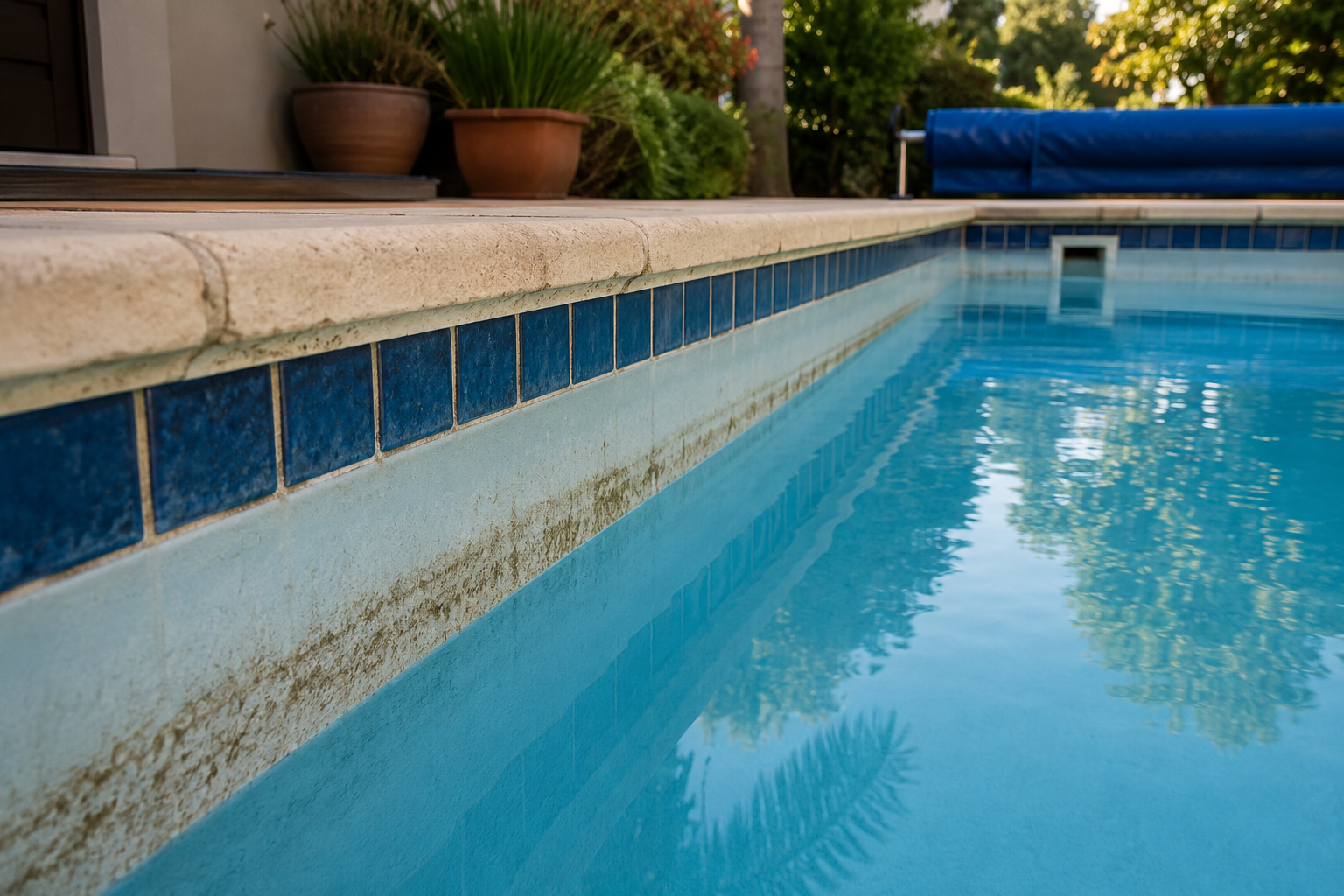
If your swimming pool is losing water faster than normal, Absolute Pools can identify the likely source and provide the appropriate pool leak repair in Cape Town and surrounding areas.
Every swimming pool loses a small amount of water through evaporation, splashing and normal use. However, frequent topping up, a noticeable overnight drop or water settling repeatedly at the same level may indicate a leak.
A leaking pool does not always produce an obvious wet patch. Water may escape through underground pipes, cracked fittings, the skimmer box, the pool light, damaged surfaces or small cracks in the pool shell.
The correct repair depends on where the water is escaping. Absolute Pools assesses the pool and its circulation system before recommending repair work.
Normal evaporation varies according to temperature, wind, humidity, pool exposure and whether the pool is covered. Cape Town’s warm, dry and windy conditions can increase evaporation, particularly during summer.
Water loss becomes more concerning when the level drops consistently regardless of the weather, the pool needs topping up several times a week or the water falls noticeably while the pool is not being used.
A marked water-level drop overnight is also less likely to be caused by ordinary evaporation.
Fill the form below and our team will be in touch with you shortly.
Pool plumbing carries water between the pool, pump, filter and return jets. A damaged suction line or return line can allow water to escape beneath paving or underground.
Pipe leaks may be accompanied by weak suction, air bubbles, poor cleaner movement, difficulty priming the pump or damp areas around the pool.
The skimmer box is a common source of water loss because it connects the pool shell to the suction pipework. Cracks, loose connections and failed seals can allow water to escape around the skimmer.
When a skimmer leak is present, the water level may repeatedly fall towards the bottom of the skimmer opening.
Cracks can develop in concrete, gunite, marbelite and fibreglass pools. Not every visible crack leaks, but cracks that extend through the waterproof surface may allow water to escape.
Pool cracks should be assessed before they spread or contribute to further surface and structural damage.
A swimming pool light sits inside a fitting or niche built into the pool wall. Water can escape through damaged seals, conduits or cracks around this area.
A leaking light may cause the pool water to settle near the height of the fitting. Water inside the light itself can also indicate a separate electrical and sealing problem.
Return jets, suction fittings and other penetrations through the pool shell depend on secure seals. Age, movement or poor previous repairs can allow water to escape around these fittings.
These leaks can be difficult to see because the damaged area may remain underwater.
A worn surface does not always mean the pool is leaking, but widespread cracks, hollow areas, peeling finishes or fibreglass damage can compromise the pool’s internal lining.
A local repair may be suitable when damage is limited. More extensive deterioration may require resurfacing or fibreglass relining.
Some water loss occurs outside the pool shell. Leaking pumps, filter connections, valves and equipment pipes may release water whenever the system is operating.
Equipment leaks are often easier to identify because dripping, wet paving or staining may be visible around the pump area.
Fill the form below and our team will be in touch with you shortly.
A simple comparison test can help indicate whether the water loss is likely to be more than evaporation.
Fill a bucket with pool water and place it on a pool step so the bucket is partly submerged. Mark the water level inside the bucket and the pool water level outside it. Leave the pool under normal conditions for approximately 24 hours without adding water.
If the pool level drops considerably more than the water inside the bucket, a leak may be present. This test does not identify the leak location, but it can help establish whether further investigation is justified.
Rain, heavy pool use, backwashing and strong wind can affect the result, so the comparison should be done under reasonably stable conditions.
Water loss that becomes worse while the pump is running can point towards a leak on the pressure side of the circulation system.
This may involve return pipes, fittings, filter connections, heating equipment or plumbing after the pump. Pressure-side leaks can force water out whenever the system is operating.
Wet paving, damp soil or water near the equipment area may become more noticeable while the pump is on.
Fill the form below and our team will be in touch with you shortly.
A pool that continues losing water while the circulation system is off may have a leak in the pool shell, skimmer box, light fitting, suction line or another section below the waterline.
The level at which the water eventually stops dropping can provide useful information. For example, water that settles near the skimmer, light or return fitting may suggest that the fault is close to that height.
The pool should not be allowed to drain excessively without professional advice, as very low water levels can create additional risks for some pool structures and finishes.
Frequent topping up is the most obvious sign, but other symptoms can appear before the source is found.
You may notice a water level that drops overnight, higher water bills, air entering the return jets, weak suction, a pump that struggles to prime, wet paving, loose coping, sinking paving or algae returning because fresh water continually dilutes the pool chemicals.
A leaking pool may also develop surface stains or soil movement around the surrounding area.
Fill the form below and our team will be in touch with you shortly.
Frequent topping up is the most obvious sign, but other symptoms can appear before the source is found.
You may notice a water level that drops overnight, higher water bills, air entering the return jets, weak suction, a pump that struggles to prime, wet paving, loose coping, sinking paving or algae returning because fresh water continually dilutes the pool chemicals.
A leaking pool may also develop surface stains or soil movement around the surrounding area.
Absolute Pools begins by considering how quickly the pool is losing water, when the loss occurs and whether the level stops at a particular point.
The pool shell, waterline, skimmer box, fittings, lights, visible pipework and equipment area are checked for signs of leakage or damage. The circulation system may also be assessed under different operating conditions.
Where necessary, targeted pool leak detection can be used to narrow down the source before paving is lifted, pipework is exposed or surface repairs begin.
The aim is to repair the cause rather than repeatedly treating the visible symptom.
Fill the form below and our team will be in touch with you shortly.
Leak detection is particularly important when the source is not visible. Opening paving or replacing equipment without confirming the likely leak location can create unnecessary expense.
A proper diagnosis helps determine whether the pool needs pipe repairs, skimmer box repairs, fitting repairs, crack repairs, light repairs, resurfacing or another solution.
Some pools have more than one leak, especially when the pool and equipment are older. The full system should therefore be considered rather than assuming the first visible fault is the only problem.
The repair method depends on the identified source.
Accessible equipment leaks may require pipe, valve, seal or fitting repairs. Underground leaks may require a section of paving to be opened so the damaged pipe can be reached. Skimmer leaks may require sealing, local rebuilding or replacement of the damaged component.
Cracks and surface failures may need local repairs, waterproofing, resurfacing or fibreglass relining. Pool light leaks may require repairs around the fitting, niche or conduit.
Absolute Pools recommends a repair route based on the pool’s condition, access and long-term reliability.
Wet or sinking paving near the pool can indicate water escaping below the surface, although irrigation, rainwater and drainage problems can produce similar symptoms.
A leak below paving may gradually remove supporting sand or soil. This can create hollow areas, movement, cracked paving or loose coping.
Repair work may involve locating the damaged pipe or fitting, opening the affected area, completing the repair and reinstating the surrounding paving.
Fill the form below and our team will be in touch with you shortly.
Air bubbles returning to the pool can indicate that air is entering the suction side of the system.
Possible causes include a low water level, leaking cleaner hose, loose pump lid, damaged pump seal, skimmer problem or suction pipe leak. When air enters the system, the pump may become noisy, lose prime or circulate water poorly.
Air bubbles do not always confirm a water leak, but they are an important clue when combined with unexplained water loss.
Absolute Pools assists with swimming pools losing water across Cape Town and surrounding areas, including the Northern Suburbs, Southern Suburbs, Atlantic Seaboard, Cape Town City Bowl, West Coast suburbs and Helderberg.
Service areas include Durbanville, Bellville, Brackenfell, Kraaifontein, Parow, Goodwood, Milnerton, Table View, Parklands, Blouberg, Century City, Pinelands, Rondebosch, Claremont, Newlands, Constantia, Tokai, Wynberg, Plumstead, Hout Bay, Sea Point, Green Point, Camps Bay, Somerset West, Strand, Gordon’s Bay, Stellenbosch, Paarl and surrounding areas.
Fill the form below and our team will be in touch with you shortly.
Absolute Pools looks beyond the water-level symptom to consider the pool shell, plumbing, fittings, equipment and surrounding areas.
We assist with pool leak detection, pool leak repairs, pipe repairs, crack repairs, skimmer repairs, pool light repairs, resurfacing and renovation work. This allows the repair recommendation to match the actual problem rather than relying on a temporary patch.
Whether the leak is visible or hidden, our focus is on identifying a practical route towards restoring the pool.
A swimming pool that needs frequent topping up should be checked before the leak affects the paving, pool structure, equipment or water balance.
Contact Absolute Pools for pool leak detection and repairs across Cape Town and surrounding areas.
Fill the form below and our team will be in touch with you shortly.
WhatsApp us