

We provide specialized winterization services to safeguard your pool during the off-season, and when spring arrives, we handle the thorough opening process.
Recent Posts


Sign Up to get updates & news about us . Get Latest Deals from Walker's Inbox to our mail address.
Sign Up to get updates & news about us . Get Latest Deals from Walker's Inbox to our mail address.
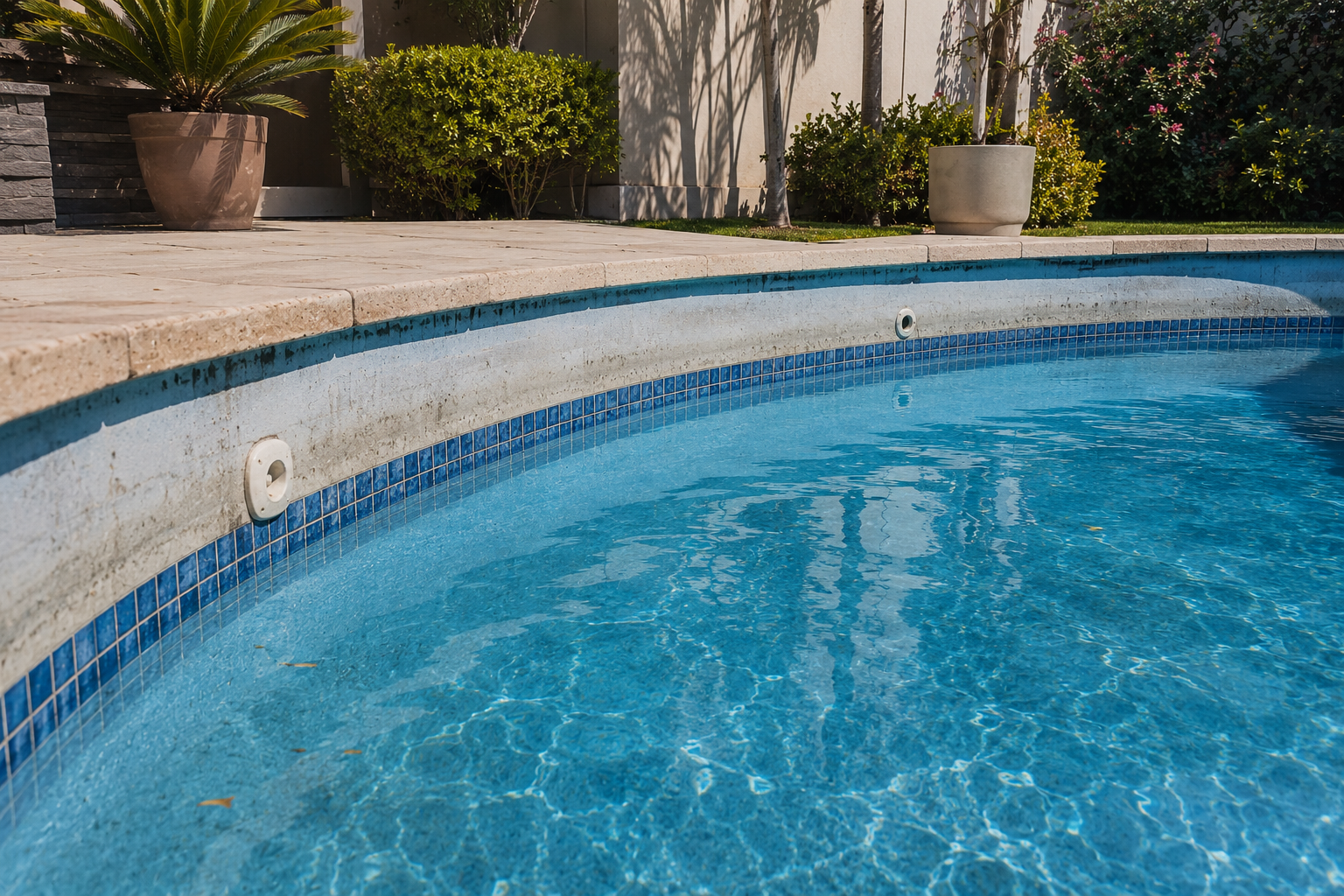
If your swimming pool continues losing water while the pump is switched off, the leak may be coming from the pool shell, skimmer box, suction plumbing, fittings, light niche or damaged internal surface. Absolute Pools provides pool leak detection and repairs across Cape Town and surrounding areas.
Switching off the pool pump removes most of the operating pressure from the circulation system. If the water level continues dropping, the leak is likely connected to a section that remains exposed to pool water even when the equipment is not running.
Possible sources include the pool shell, skimmer box, pool light, vacuum point, return fittings, suction pipes and cracks below the waterline.
The leak may slow down once the pump is off without stopping completely. This can happen when the pool has more than one fault or when a plumbing leak is affected by both water pressure and gravity.
A static leak is water loss that continues without the circulation system operating. The pool’s own water pressure pushes water through a damaged fitting, crack, pipe connection or surface defect.
These leaks can occur anywhere below the current waterline. As the level drops, the pressure decreases and the leak may become slower.
In some cases, the water stops at the same height each time. That stopping point can provide a useful clue about the source.
Fill the form below and our team will be in touch with you shortly.
The skimmer box remains connected to the pool even when the pump is switched off. Cracks in the skimmer body, failed seals and damaged pipe connections can allow water to escape continuously.
A skimmer leak may cause the water level to settle near the bottom of the skimmer opening. Damp paving or movement around the skimmer area may also develop.
The leak could be in the skimmer itself or in the suction pipe connected behind it.
Suction pipes connect the skimmer, vacuum point or main drain to the pool pump. Parts of this plumbing can remain filled with water after the pump switches off.
A cracked suction pipe may therefore continue leaking through gravity. Depending on the pipe position, the water level may drop until air enters the damaged section.
Suction-line problems may also cause air bubbles, weak cleaner movement, poor pump priming or a pump basket that does not remain full.
Cracks in concrete, gunite, marbelite or fibreglass pools can allow water to escape regardless of whether the pump is running.
Not every visible crack leaks. However, cracks extending through the waterproof layer can cause steady water loss.
Pool shell cracks commonly appear along walls, steps, corners, floors and around built-in fittings.
A pool light sits inside a niche installed through the pool wall. Water can escape around the niche, cable conduit or surrounding seal.
If the pool repeatedly stops losing water near the height of the light, the fitting should be included in the inspection.
Water inside the light fitting may indicate a separate sealing and electrical fault that also needs attention.
Vacuum points and other suction fittings pass through the pool shell. Their seals can deteriorate, crack or move with age.
These leaks may continue while the pump is off because the fitting remains below the waterline.
A damaged vacuum point can also affect automatic pool cleaner performance when the circulation system is operating.
Although return pipes are normally associated with pressure-side leaks, the fittings themselves can still leak while the pump is off.
Water may escape around the seal between the return jet and pool shell. Underground pipework positioned below the pool level may also continue draining through gravity.
A return fitting should not be ruled out simply because the pump is switched off.
Worn marbelite does not always cause water loss, but widespread cracks, hollow areas and surface failure can expose weaknesses beneath the finish.
Local damage may be repairable. A pool with extensive surface deterioration may require resurfacing after the leak source has been confirmed.
Applying a new surface without addressing deeper cracks or fitting leaks can leave the original problem unresolved.
Fibreglass pools and fibreglass-lined pools can develop cracks, splits, blisters or separation from the underlying shell.
A damaged section below the waterline may continue leaking without the pump running.
The repair method depends on whether the damage is localised or whether the lining has failed across larger areas.
Some swimming pools have a main drain or other fittings installed in the pool floor.
A failed seal, cracked fitting or damaged connected pipe can cause water loss that continues below the height of wall fittings.
Because these components sit deep in the pool, the water should not simply be allowed to drain until the leak stops.
Fill the form below and our team will be in touch with you shortly.
When the pool repeatedly settles near the bottom of the skimmer opening, the skimmer box or nearby pipework may be leaking.
Check for visible cracks, gaps around the skimmer mouth and movement between the skimmer and the pool wall.
The stopping point is helpful, but the connected suction pipe and nearby surface should also be assessed before repairs are planned.
Water that settles near the pool light can suggest a leak around the light niche, conduit or surrounding pool surface.
The light fitting should be checked for water ingress, damaged seals and movement around the niche.
Because electricity and water are involved, faulty pool lights should be approached carefully. Specialised electrical repairs should be completed safely by a qualified electrician where required.
If the water level continues falling below the skimmer, lights and return jets, the leak may be lower in the pool.
Possible causes include floor cracks, step cracks, main-drain fittings, low suction plumbing or deeper surface damage.
Do not allow the pool to empty completely while waiting to find the stopping level. Very low water levels can damage some pool surfaces and place certain pool structures at risk.
Fill the form below and our team will be in touch with you shortly.
A slow leak can still waste a significant amount of water over time.
Small cracks, worn seals and minor pipe damage may release water gradually. The problem can be difficult to notice when the pool has an automatic filler or is topped up regularly.
Monitoring the level over several calm days can help reveal a consistent pattern.
A pool that appears to lose more water after the pump is switched off may have a suction-side plumbing problem.
While the pump is operating, suction can draw air into a damaged pipe rather than allowing as much water to escape. Once the pump stops, water may drain out through the same fault.
This pattern can point towards skimmer plumbing, vacuum lines or another suction-side connection.
Overnight testing can help separate normal swimming and backwashing losses from a persistent leak.
Mark the water level after the pump switches off and check it again the following morning. Avoid adding water or using the pool during the test.
Some evaporation still occurs overnight, but repeated noticeable drops under calm conditions should be investigated.
Fill the form below and our team will be in touch with you shortly.
A bucket test can help establish whether the pool is losing more water than expected through evaporation.
Place a bucket containing pool water on a step and mark the levels inside and outside the bucket. Leave the pump off for the test period and compare the change.
If the pool drops considerably more than the bucket, a leak is likely. The test confirms unusual water loss but does not reveal the source.
Air bubbles are usually noticed while the pump runs, but they may still provide clues about a leak that continues after shutdown.
A cracked suction pipe, damaged cleaner hose, loose pump lid or leaking skimmer connection can draw air while operating and release water when the pump is off.
Weak suction and difficulty priming the pump can support this diagnosis.
Fill the form below and our team will be in touch with you shortly.
Water escaping from a skimmer, suction line or fitting can move beneath the pool surround.
Over time, the water may wash away bedding material and weaken support beneath the paving. The area can become damp, hollow, cracked or uneven.
The visible paving damage may not sit directly above the leak because underground water can travel before surfacing.
Hidden leaks do not always create wet patches.
Water can drain into permeable soil, move along underground pipe trenches or spread beneath paving. The leak may continue for weeks before visible ground movement appears.
A dry pool surround does not rule out underground plumbing or structural water loss.
Yes. Older pools and previously repaired pools can have several separate faults.
A pressure-side pipe may leak while the pump runs, while a skimmer, crack or fitting continues leaking when the pump is off.
This is why the rate of water loss may change without stopping completely. The full pool system should be considered before assuming that one visible fault explains everything.
Fill the form below and our team will be in touch with you shortly.
Leaving the pump off may reduce some types of water loss, but it prevents normal circulation and filtration.
The pool may become cloudy or green, chlorine distribution becomes less effective and debris remains in the water. If the level falls below the skimmer, the pump should not be operated until sufficient water has been restored.
The leak needs to be diagnosed so the filtration system can return to normal operation.
The assessment begins with the rate of water loss and the level at which the pool appears to stabilise.
The skimmer box, lights, fittings, visible cracks, surface condition and pool shell are checked for possible leak points. Suction pipes and underground plumbing may also need testing.
Comparing water loss with the pump running and switched off can help distinguish between pressure-side and static leaks.
Where the source remains hidden, targeted pool leak detection can narrow down the affected area before paving is opened or repair work begins.
The repair depends on the confirmed source of the leak.
Skimmer faults may need resealing, local rebuilding or replacement. Suction pipes may require targeted excavation and pipe repairs. Light niches and fittings may need resealing or repairs around the pool wall.
Cracks may require local waterproofing, structural repair, resurfacing or fibreglass work. Widespread surface failure may require marbelite resurfacing or fibreglass relining.
The repair route should address the actual cause rather than relying on temporary patches or continual topping up.
Fill the form below and our team will be in touch with you shortly.
Small localised defects may be suitable for focused repair when the surrounding pool surface remains in good condition.
More extensive cracking, roughness, peeling or blistering can indicate that the internal surface has reached the end of its practical lifespan.
In these cases, resurfacing or relining may be more reliable than repeatedly repairing isolated sections.
Skimmer and suction-line repairs depend heavily on access.
The affected area may require paving to be lifted so the skimmer body, pipe joint or underground line can be reached. Locating the fault beforehand helps limit unnecessary excavation.
The plumbing should be tested after repair before the paving is reinstated.
Continual water loss can damage the pool surround, dilute chemicals and increase water bills.
Escaping water can loosen coping, weaken paving support and contribute to ground movement. A falling water level may also expose surfaces to drying and place the pump at risk of drawing air.
Early repairs can prevent a local leak from becoming a larger renovation project.
Fill the form below and our team will be in touch with you shortly.
Absolute Pools assists with pools leaking while the pump is off across Cape Town and surrounding areas, including the Northern Suburbs, Southern Suburbs, Atlantic Seaboard, Cape Town City Bowl, West Coast suburbs and Helderberg.
Service areas include Durbanville, Bellville, Brackenfell, Kraaifontein, Parow, Goodwood, Milnerton, Table View, Parklands, Blouberg, Century City, Pinelands, Rondebosch, Claremont, Newlands, Constantia, Tokai, Wynberg, Plumstead, Hout Bay, Sea Point, Green Point, Camps Bay, Somerset West, Strand, Gordon’s Bay, Stellenbosch, Paarl and surrounding areas.
Absolute Pools assesses the pool shell, skimmer box, suction plumbing, fittings, lights and surface condition to identify where static water loss may be occurring.
We assist with pool leak detection, pipe repairs, skimmer box repairs, crack repairs, pool light repairs, resurfacing and fibreglass relining.
Our focus is on finding the source and recommending a practical repair that restores the pool’s ability to hold water.
A pool that continues losing water after the circulation system is switched off may have a hidden plumbing, fitting or structural leak.
Contact Absolute Pools for pool leak detection and repairs across Cape Town and surrounding areas.
Fill the form below and our team will be in touch with you shortly.
WhatsApp us