

We provide specialized winterization services to safeguard your pool during the off-season, and when spring arrives, we handle the thorough opening process.
Recent Posts


Sign Up to get updates & news about us . Get Latest Deals from Walker's Inbox to our mail address.
Sign Up to get updates & news about us . Get Latest Deals from Walker's Inbox to our mail address.
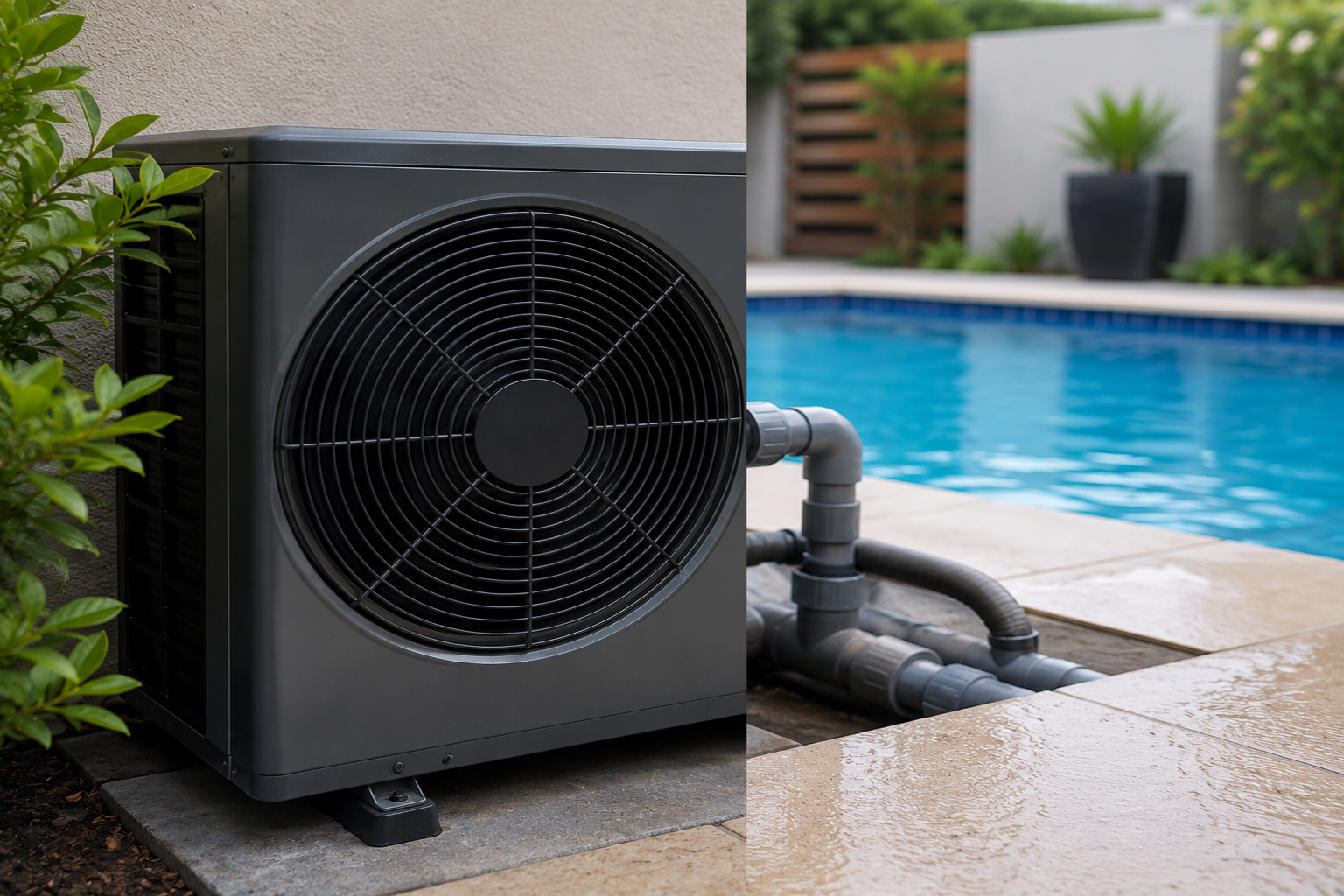
A pool heat pump that runs without warming the water may have a flow, settings, circulation, electrical or internal equipment fault. Absolute Pools diagnoses pool heating problems across Cape Town and surrounding areas.
Pool heat pumps draw heat from the surrounding air and transfer it into the pool water. They rely on steady water circulation, suitable operating settings and correctly functioning internal components.
When the pool remains cold, the heat pump may not be the only source of the problem. A dirty filter, weak pump, blocked basket or incorrectly positioned valve can reduce the water flow needed for heating. The unit may also be operating normally while the pool loses heat faster than it can be replaced.
Absolute Pools checks the heat pump together with the circulation system, pipework, controls and pool conditions before recommending repairs or replacement.
A heat pump can appear to operate while producing little useful heat.
The fan may run, the display may remain on and water may continue returning to the pool, but the compressor might not be operating correctly. Poor water flow can also prevent the heat exchanger from transferring heat efficiently.
In other cases, the unit is heating but the temperature increase is difficult to notice because the pool is large, uncovered or exposed to cold wind and overnight heat loss.
The inlet and outlet water temperatures, operating mode, flow rate and actual pool temperature should be assessed together.
Low water flow is one of the most common reasons a pool heat pump stops heating or displays a flow-related warning.
The cause may be a blocked skimmer basket, full pump basket, dirty filter, clogged pump impeller or low pool water level. Air entering through a suction leak can also reduce the amount of water moving through the heater.
The circulation pump may still sound normal while delivering insufficient flow. Weak return jets, air inside the pump basket and poor automatic cleaner performance can indicate a wider circulation problem.
Repairing the pump, filter or plumbing may restore heating without replacing the heat pump.
Fill the form below and our team will be in touch with you shortly.
A dirty filter creates resistance in the circulation system and reduces the water reaching the heat pump.
Sand filters may require backwashing, a sand change or internal repairs. Cartridge elements can become clogged and need cleaning or replacement.
High filter pressure combined with weak pool returns commonly points to restricted filtration. The filter should be serviced before the heat pump’s flow switch or internal components are replaced.
Pool heating systems may include valves that direct water through or around the heat pump.
When a bypass valve is open too far, much of the water can avoid the heater. A partly closed inlet or outlet valve can also restrict flow and trigger a warning.
Valve positions are often changed during backwashing, pump repairs, winter shutdowns or other equipment work. The plumbing should be checked when the heating problem begins after maintenance.
The pump should be switched off before multiport or circulation valves are moved.
Fill the form below and our team will be in touch with you shortly.
The heat pump may be switched on but set to the wrong mode or target temperature.
Some systems can operate in heating, cooling or automatic modes. A timer, schedule or economy setting may prevent the unit from running for long enough to reach the selected temperature.
The displayed temperature may also differ from the actual pool temperature when the water sensor is inaccurate or poorly positioned.
The operating mode, temperature set point and timer schedule should be confirmed before mechanical repairs are recommended.
Pool heating is gradual. A heat pump usually needs a sustained filtration cycle to raise the temperature of a large volume of water.
Short pump schedules limit the amount of time available for heat transfer. The heat pump cannot continue operating when the circulation pump switches off.
The time required depends on the pool size, starting temperature, heat pump capacity, weather and whether the pool is covered. Maintaining a temperature is normally easier than reheating a cold pool from the beginning.
Cape Town’s seasonal conditions can have a major effect on pool heating performance.
Cold nights, wind and lower winter air temperatures increase heat loss from the water. Exposed pools on the Atlantic Seaboard, West Coast and other windy areas may lose heat particularly quickly.
Heat pumps also become less efficient as the surrounding air becomes colder. A unit that performs well in warm weather may take longer to heat the pool during winter.
This does not automatically mean the heat pump is faulty. Its operating capacity should be compared with the pool size and conditions under which it is being used.
Fill the form below and our team will be in touch with you shortly.
Evaporation is a major source of heat loss from swimming pools.
An uncovered pool can lose much of the heat gained during the day, especially in windy conditions or when the difference between the air and water temperature is large.
A suitable pool cover helps retain heat overnight and reduces the workload placed on the heat pump. It can also shorten heating times and improve the practicality of maintaining a selected temperature.
A faulty or undersized heat pump will not be corrected by a cover, but an uncovered pool can make a functional system appear ineffective.
The external coil needs access to moving air so it can absorb environmental heat.
Dust, leaves, grass, lint and salt-laden residue can collect on the coil and restrict airflow. This may reduce performance and cause the unit to operate for longer periods.
Cape Town’s wind can carry dust and plant debris into exposed equipment areas. Properties near the coast may also experience faster corrosion where equipment is not maintained appropriately.
The coil should be cleaned carefully without damaging its thin metal fins.
A pool heat pump needs suitable open space around its air intake and exhaust.
Walls, screens, plants, storage items and enclosed pump rooms can restrict airflow. Exhaust air may then be drawn back into the unit, reducing heating efficiency.
New fencing, landscaping or equipment enclosures can create a problem even when the heat pump previously worked well.
The installation area should be checked before the unit is treated as internally faulty.
Fill the form below and our team will be in touch with you shortly.
The fan and compressor perform different functions.
The fan moves air through the coil, while the compressor allows the refrigeration system to transfer heat into the pool water. A running fan therefore does not prove that the unit is heating.
The compressor may fail to start because of a control fault, capacitor problem, electrical issue, protection mode or internal component failure.
Specialised electrical and refrigeration testing should be completed by appropriately qualified technicians.
Frequent cycling can result from poor water flow, unstable power, incorrect sensor readings or a protection function.
The unit may also stop when the selected temperature is reached and restart when the water cools. This is normal when the cycles are appropriately spaced.
Rapid or repeated switching can place strain on the equipment and should be investigated, particularly when the pool remains cold.
The operating sequence and any warning indicators should be observed rather than repeatedly resetting the system.
A flow warning usually means the unit does not detect enough water moving through the heat exchanger.
Possible causes include a dirty filter, weak pump, closed valve, blocked plumbing or faulty flow switch.
The actual circulation should be confirmed before the sensor is replaced. A flow switch cannot correct a genuine restriction elsewhere in the system.
The heat pump should not be forced to run without reliable water flow.
Fill the form below and our team will be in touch with you shortly.
A heat pump that trips the breaker or earth-leakage protection may have an electrical fault, moisture problem, damaged connection or failed internal component.
Repeatedly resetting the circuit can worsen the fault and should be avoided.
The unit should remain isolated until the electrical supply and equipment have been tested safely. Where specialised electrical work is required, it should be completed by a qualified electrician.
Water beneath a heat pump does not always indicate a plumbing leak.
Condensation can form while the unit extracts heat from the air, particularly during humid conditions. This water may drain beneath the equipment during normal operation.
A constant plumbing leak, however, may come from loose unions, cracked fittings, damaged pipes or the internal heat exchanger.
The source should be identified before the equipment base or surrounding paving is repaired.
Frost or ice can develop on the external coil during cold or damp weather.
Some heat pumps enter an automatic defrost cycle to remove it. Persistent or heavy icing may indicate restricted airflow, a sensor problem, fan fault or refrigeration issue.
The unit should not be struck or scraped with sharp tools to remove ice because the coil can be damaged.
Fill the form below and our team will be in touch with you shortly.
Heating faults sometimes begin after a pump replacement, filter service, pipe repair or equipment relocation.
Valves may have been repositioned, air may remain in the system or the new pump may operate at a different flow rate. Wiring, timers and controls can also be disturbed during nearby work.
The complete installation should be recommissioned rather than assuming the heat pump has coincidentally failed.
A heat pump must be selected according to the pool volume, desired water temperature and expected operating conditions.
An undersized unit may run for long periods without achieving the target temperature. The problem becomes more noticeable during cold, windy weather or when the pool is uncovered.
The age, insulation, pool exposure and daily heat loss should be considered when judging whether the unit is correctly sized.
Replacing a working heat pump with a larger model should follow an assessment of circulation and heat retention, not guesswork.
Repair may be practical when the unit remains structurally sound and compatible parts are available.
Common repairable problems can include sensors, flow switches, control components, damaged connections, fan components and plumbing around the unit.
The cost and practicality depend on the heat pump’s age, overall condition and the nature of the fault.
Internal refrigeration faults should be assessed by a suitably qualified refrigeration technician.
Fill the form below and our team will be in touch with you shortly.
Replacement may be more practical when the heat pump is badly corroded, repeatedly failing, significantly undersized or no longer supported with suitable parts.
An older unit with several major faults may remain expensive to operate even after repair. A replacement can also be considered when the existing installation cannot meet the desired swimming season.
The new heat pump should be selected for the pool size and Cape Town conditions. The pump, filter, pipework and electrical supply must also be suitable for the replacement equipment.
The repair process begins with the pool circulation system.
Absolute Pools checks the water level, baskets, pump condition, filter pressure, return flow, valve positions and plumbing around the heat pump. The unit’s settings, operating mode and visible condition are then reviewed.
Dirty coils and restricted airflow are identified where they reduce performance. Displayed faults, temperature readings and operating behaviour help determine whether the problem involves the flow switch, controls or internal equipment.
Where specialised refrigeration or electrical work is required, it should be completed by appropriately qualified technicians.
A repaired heat pump still needs suitable operating conditions.
The pool pump should run long enough for the heater to transfer the required heat. Baskets and filters need regular cleaning so water flow remains stable.
A suitable pool cover can reduce overnight heat loss, particularly in exposed and windy areas. Plants, walls and stored items should not block airflow around the heat pump.
The target temperature should also be realistic for the heat pump’s capacity and the season.
Fill the form below and our team will be in touch with you shortly.
Absolute Pools diagnoses pool heat pumps that are not heating across Cape Town and surrounding areas, including the Northern Suburbs, Southern Suburbs, Atlantic Seaboard, Cape Town City Bowl, West Coast suburbs and Helderberg.
Service areas include Durbanville, Bellville, Brackenfell, Kraaifontein, Parow, Goodwood, Milnerton, Table View, Parklands, Blouberg, Century City, Pinelands, Rondebosch, Claremont, Newlands, Constantia, Tokai, Wynberg, Plumstead, Hout Bay, Sea Point, Green Point, Camps Bay, Somerset West, Strand, Gordon’s Bay, Stellenbosch, Paarl and surrounding areas.
Absolute Pools checks the heat pump together with the pool pump, filter, valves, pipework and water circulation before recommending repairs.
We assist with low-flow problems, dirty filters, plumbing faults, incorrect bypass settings, heat pump performance issues and related pool equipment repairs.
Our focus is on identifying whether the problem lies in the heating unit or the wider circulation system so unnecessary parts are not replaced.
A heat pump that runs without warming the pool may waste electricity while placing additional strain on the equipment.
Contact Absolute Pools for pool heat pump fault diagnosis and related circulation repairs across Cape Town and surrounding areas.
Fill the form below and our team will be in touch with you shortly.
WhatsApp us