

We provide specialized winterization services to safeguard your pool during the off-season, and when spring arrives, we handle the thorough opening process.
Recent Posts


Sign Up to get updates & news about us . Get Latest Deals from Walker's Inbox to our mail address.
Sign Up to get updates & news about us . Get Latest Deals from Walker's Inbox to our mail address.
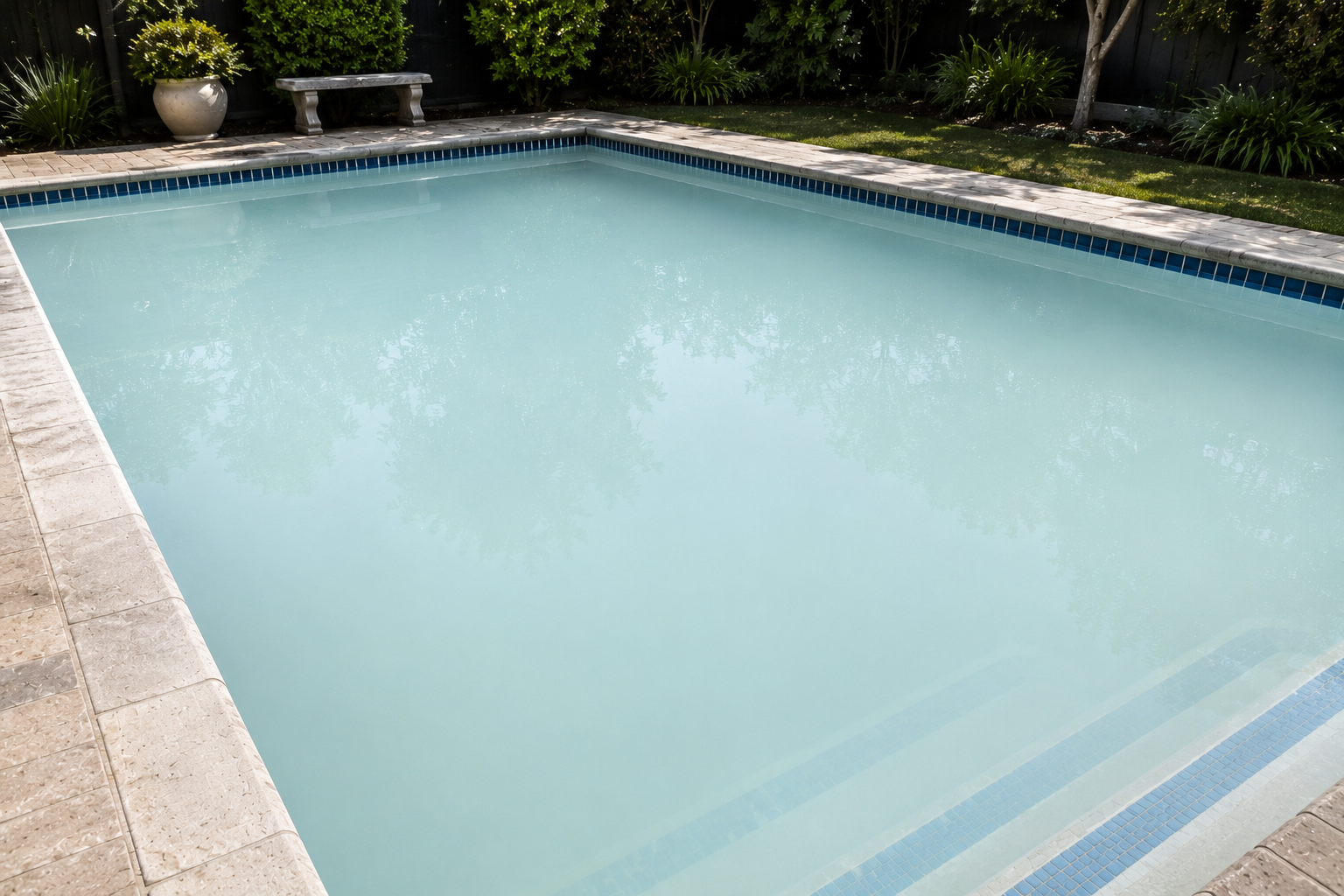
Cloudy pool water can be caused by suspended dirt, dead algae, incorrect water balance, weak circulation or a filter that is no longer removing fine particles effectively. Absolute Pools diagnoses and restores cloudy swimming pools across Cape Town and surrounding areas.
Clear pool water depends on effective sanitation, balanced water chemistry, strong circulation and reliable filtration. When one part of this system stops working correctly, fine particles can remain suspended and give the water a hazy, milky, grey or dull appearance.
The cause may be as simple as a dirty filter or short pump schedule. It may also involve dead algae, high pH, calcium deposits, low chlorine, damaged filter components or a pool pump that is moving too little water.
Cape Town’s windy summer conditions can introduce dust, pollen, leaves and fine garden debris into outdoor pools. Winter rain can dilute chemicals and carry additional contaminants into the water.
Adding chemicals without identifying the cause may make the cloudiness worse. The water condition, filtration system and circulation should be assessed together.
Fill the form below and our team will be in touch with you shortly.
Cloudiness can range from a slight haze to water that completely hides the pool floor.
The water may appear:
The colour and timing of the cloudiness can help identify whether the cause is algae, minerals, dirt, chemical imbalance or filtration failure.
Swimming should be avoided when the pool floor, steps or main drain cannot be seen clearly.
Poor visibility creates a safety risk because a swimmer in difficulty may be difficult to see. Cloudy water can also indicate inadequate sanitation, active algae or contamination that has not been removed.
The water should be tested and the underlying problem corrected before the pool is used again.
Fill the form below and our team will be in touch with you shortly.
A green pool often becomes cloudy blue, grey or milky after successful algae treatment.
This usually means the algae has been killed but remains suspended in the water. Chlorine changes the condition of the algae, but the filter must physically remove the dead material.
Dead algae is extremely fine and can block filter media quickly. Sand filters may need repeated backwashing, while cartridge filters may require frequent cleaning during recovery.
The walls, steps and floor should also be brushed so remaining algae can be circulated towards the filter.
When chlorine falls too low, algae and microorganisms can begin multiplying before the pool visibly turns green.
The first sign may be dull or hazy water. The pool can then become increasingly cloudy and eventually develop visible green algae.
Low chlorine can result from insufficient dosing, strong sunlight, heavy swimming, organic debris, rainwater or an underperforming salt chlorinator.
The chlorine level should be measured rather than estimated from the water’s appearance.
High pH reduces the effectiveness of chlorine and can contribute to calcium cloudiness.
The pool may contain chlorine but still develop algae because the sanitiser is not working efficiently. The water can appear milky, dull or slightly green.
High pH may also encourage scale to form on pool surfaces, chlorinator cells, heaters and other equipment.
Correcting the pH can improve chlorine performance, but the filter may still need to remove particles already suspended in the water.
Low pH does not usually create milky water directly, but it can make the water corrosive and damage pool surfaces, grout, metal fittings and equipment seals.
Material released from deteriorating surfaces may contribute to discolouration or suspended particles.
The pH and alkalinity should be corrected carefully rather than through repeated chemical additions without testing.
High alkalinity can make the pH difficult to control and contribute to cloudy water.
The pool may remain hazy even after chlorine is added. Scale can also form more easily when alkalinity, pH and calcium are all elevated.
Water-balance adjustments should be based on accurate test results because changing one value can affect the others.
Excess calcium can form fine particles that make the water appear white or milky.
The problem may worsen when the pH is also high or when water evaporates and leaves dissolved minerals behind.
Calcium can also create rough deposits on pool walls, tiles, chlorinator cells and heating equipment.
A pool with recurring calcium cloudiness may require water-balance correction and removal of existing scale.
Some pool chemicals can react when added too closely together or in unsuitable quantities.
The water may become cloudy shortly after chlorine, pH adjusters, calcium products, algaecide, clarifier or other treatments are added.
Chemicals should be added according to measured water conditions and suitable product instructions. Mixing concentrated products directly can create unsafe reactions and damage surfaces.
The circulation system must be working so treatments are distributed properly.
Clarifier causes very fine particles to combine so the filter can trap them more easily.
When too much is added, the water can become more cloudy and the filter may develop a sticky coating. The pool may take longer to recover than it would have without the overdose.
Clarifier is most effective when the pump and filter are already working correctly. It cannot repair poor circulation or damaged filter components.
Flocculant causes suspended particles to group together and settle on the pool floor.
The settled material usually needs to be vacuumed slowly to waste. If the pump or cleaner is restarted too early, the particles can be disturbed and make the pool cloudy again.
Vacuuming flocculated material through the filter may also return it to the water or block the filter quickly.
Cape Town’s summer wind can introduce dust, soil, pollen and fine garden particles into swimming pools.
These particles may be too fine for an ageing or poorly performing filter to remove efficiently. They can remain suspended for long periods, particularly when the return jets keep disturbing material that has settled.
A pool cover, suitable filtration and regular cleaning can reduce the effect of windblown contamination.
Rainwater can dilute chlorine, alter the pH and carry contaminants into the pool.
Runoff from paving, roofs or garden areas may introduce soil and organic debris. The pool can become cloudy immediately after rain or during the following days as chlorine is consumed.
The baskets, water balance and filter pressure should be checked after substantial rainfall.
Swimmers introduce sweat, sunscreen, body oils, cosmetics and other contaminants into the water.
During parties or periods of heavy use, the chlorine demand can rise quickly. Fine organic material may remain suspended and make the pool look dull or cloudy.
The filtration schedule and water treatment may need temporary adjustment after unusually heavy use.
Fill the form below and our team will be in touch with you shortly.
A sand filter traps fine dirt and algae as water passes through the filter bed.
As debris accumulates, the pressure rises and water flow gradually weakens. The filter may continue running while processing much less water than normal.
Backwashing can restore flow when the sand is simply dirty. Pressure that rises again soon afterwards may indicate heavy contamination, old filter media or another circulation problem.
Filter sand becomes less effective as it collects oils, minerals and fine debris.
The sand may compact and restrict circulation or develop channels that allow water to bypass proper filtration. The pump continues operating, but fine particles remain in the pool.
Backwashing may provide only temporary improvement when the filter medium has reached the end of its practical lifespan.
A filter sand change may restore filtration when the tank and internal components remain in good condition.
Laterals hold filter sand inside the tank while allowing clean water to enter the return plumbing.
A cracked lateral can allow sand and unfiltered particles to return to the pool. Small piles of sand may appear beneath the return jets.
Damaged laterals can also reduce the filter’s ability to remove fine debris, leaving the water cloudy.
The standpipe connects the lateral assembly to the multiport valve.
A crack or poor connection can allow filter media and unfiltered water to bypass the normal route. The problem may begin after a sand change or develop as ageing plastic becomes brittle.
The filter usually needs to be emptied before the internal assembly can be inspected properly.
A worn spider gasket or damaged internal valve can allow water to bypass the filter.
The handle may appear to be on the filter setting while part of the water takes another route. Pool water can circulate without receiving effective filtration.
Water may also escape through the waste line during normal operation, reducing the pool level and disturbing the chemical balance.
The recirculate setting sends water around the filter and back to the pool.
This can be useful for mixing certain treatments, but it does not remove suspended particles. A pool left on recirculate may have strong return flow while remaining cloudy.
The pump must be switched off before the multiport valve position is changed.
A cartridge coated with dirt, oil or algae restricts water flow.
The filter pressure may rise while the return flow becomes weaker. A cartridge that remains clogged after thorough cleaning may need replacement.
Damaged filter material can also allow fine debris to pass through rather than being trapped.
An undersized filter may struggle during heavy use, algae treatment or windy conditions.
The pressure can rise quickly, and the filter may require frequent cleaning. Only a limited volume of water is processed effectively during each pump cycle.
The pump, filter and plumbing should be correctly matched rather than considered as separate components.
An oversized pump can force water through the filter too quickly.
Excessive flow may reduce filtration quality, disturb the sand bed and strain the filter tank, valve and pipe connections.
Installing a larger pump does not automatically result in clearer water. The complete system must operate within suitable flow and pressure ranges.
Fill the form below and our team will be in touch with you shortly.
The pump must run long enough to circulate and filter the full pool volume.
A very short schedule may be inadequate during warm weather, after heavy use or while recovering cloudy or green water.
Longer filtration can help when the equipment is functioning correctly. It will not solve a blocked impeller, damaged filter or suction leak.
A pump may switch on without moving enough water to maintain clear water.
Worn internal components, a blocked impeller, air leaks or motor problems can reduce performance. The pump basket may remain partly empty, and return flow may feel weak.
The filtration schedule may appear adequate while the actual volume of water being circulated is too low.
Leaves and debris inside the skimmer restrict water reaching the pump.
Suction weakens, the automatic cleaner may slow down and filter pressure can fall. Fine particles then remain in the water because circulation is reduced.
The skimmer basket should be cleaned regularly, especially during windy periods.
A pump basket packed with debris limits the amount of water entering the impeller.
The pump may sound strained, contain air or produce weak return flow. The filter cannot clean the pool effectively when it receives too little water.
The pump should be switched off before the lid is opened. The lid and O-ring must be refitted correctly afterwards.
Small debris can pass through the basket and lodge inside the impeller.
The motor may continue running while the pump moves much less water. Filter pressure may become unusually low, and the pool cleaner may stop.
The pump should be isolated safely before internal components are inspected.
Air entering before the pump reduces the amount of water reaching the filter.
Possible sources include a low pool level, cracked cleaner hose, loose pump lid, worn O-ring, leaking valve or damaged suction pipe.
The pump basket may contain a large air pocket, and bubbles may return through the pool jets.
The air leak should be repaired before the pump loses prime or begins running dry.
Closed or partly closed suction valves can restrict water reaching the pump.
A closed return valve creates resistance after the filter and reduces circulation through the pool. Heating and water-feature valves can also affect normal flow when set incorrectly.
Valve positions should be checked before the pump or filter is replaced.
Return jets should help circulate treated water through the whole pool.
When they are aimed poorly, some areas may receive strong movement while corners, steps and deeper sections remain stagnant.
Dirt and algae can collect in these low-flow areas and contribute to recurring cloudiness.
Fill the form below and our team will be in touch with you shortly.
Cloudy blue or grey water after algae treatment is common.
The colour change usually indicates that the algae has been killed. The filter must now remove the dead material.
The pool may require extended circulation, frequent filter cleaning, brushing and careful vacuuming. The water should show gradual improvement.
A pool that remains unchanged may have inadequate chlorine, poor water balance or filtration equipment that is not working correctly.
Shock treatment can create temporary cloudiness as chlorine reacts with algae and contaminants.
The water may become pale blue, grey or milky. The filter pressure may rise as dead material is collected.
Persistent cloudiness can indicate that the filter is clogged, the pump run time is too short or the original algae treatment was incomplete.
Repeated shocking without testing can create additional water-balance problems.
Fill the form below and our team will be in touch with you shortly.
Cloudiness after adding chlorine may be caused by killed algae, high calcium, unsuitable pH or a reaction with other chemicals.
The water should be tested before additional products are added.
If the pool had visible algae beforehand, filtration may be the main requirement after treatment. When the pool was previously clear, the chemical balance should be assessed.
Large or rapid pH adjustments can cause minerals to fall out of solution and form suspended particles.
The water may appear milky shortly after treatment. The effect is more likely when calcium and alkalinity are already high.
Water-balance changes should be made gradually and based on accurate testing.
Some algaecides can produce temporary cloudiness or foam, particularly when overdosed.
The product may also react with existing contamination. The filter must remove the resulting particles after the algae has been controlled.
Algaecide should support suitable chlorine and filtration rather than replace them.
Fill the form below and our team will be in touch with you shortly.
Heavy use can introduce enough organic material to consume much of the available chlorine.
The pool may look cloudy the following morning even though it was clear before use. The baskets may also contain additional debris.
The water should be tested, the pool brushed and the filtration system checked before chemicals are added.
Rain can dilute chlorine, change the pH and introduce airborne or surface contamination.
Cape Town winter storms may also fill skimmer baskets with leaves and cause equipment areas to become waterlogged.
The water chemistry, baskets and filter pressure should be checked after substantial rain. A pump that tripped or lost prime may have stopped filtering entirely.
Fill the form below and our team will be in touch with you shortly.
The rinse cycle helps settle filter sand after backwashing.
Returning directly to filter without rinsing can send dirty water or fine material back into the swimming pool. A damaged multiport valve can produce similar symptoms.
The pump must always be switched off before changing the valve position.
New filter sand can release a small amount of dust if the filter is not backwashed and rinsed properly before normal operation.
Continued cloudiness may indicate incorrect filter media, excessive sand, damaged laterals or poor internal assembly.
The filter pressure and material returning through the jets should be checked.
Fill the form below and our team will be in touch with you shortly.
A new pump may expose weaknesses in the existing filter or plumbing.
The replacement can be too powerful for the filter, incorrectly set up or affected by existing suction leaks. An old filter may remain unable to remove fine particles despite improved circulation.
The pump, filter and valves should be assessed as a complete system.
High pressure usually means water is meeting resistance inside the filter or return plumbing.
The filter may be dirty, the sand compacted or a return valve partly closed. Dead algae can also clog the filter quickly during recovery.
Backwashing or cleaning may lower the pressure. Persistent high pressure requires further investigation.
Fill the form below and our team will be in touch with you shortly.
Low pressure usually indicates insufficient water reaching the filter.
Blocked baskets, low water, suction leaks, closed valves and blocked impellers can all reduce circulation.
The pressure gauge itself may also be faulty, so the reading should be considered together with return flow and pump-basket condition.
Strong return flow does not guarantee effective filtration.
The multiport valve may be set to recirculate, the filter media may be channelled or damaged internal parts may allow particles to bypass.
The filter condition and valve route should be checked when flow is strong but the water does not improve.
Sand collecting beneath the jets usually indicates a broken filter lateral, damaged standpipe or unsuitable filter media.
The filter may be returning sand and fine contaminants rather than trapping them.
Vacuuming the sand away will not solve the internal filter fault.
Fill the form below and our team will be in touch with you shortly.
Water can remain cloudy even when chlorine and pH appear acceptable.
The filter may be damaged, the pump schedule may be too short or fine dead algae may still be suspended.
Calcium, alkalinity and stabiliser should also be considered. Basic test strips may not reveal every problem accurately.
Equipment performance and water chemistry should be assessed together.
Material may settle while the pump is off and become suspended when circulation begins.
Return jets aimed at the floor can continually disturb fine dirt. A damaged filter may also send particles back into the pool whenever the pump starts.
Observing the return jets during startup can help identify whether debris is entering through the filtration system.
Particles may settle while the circulation system is off and return to suspension when the pump or cleaner starts.
This pattern can indicate fine dust, poor filtration, incorrect return direction or settled algae.
The floor may need careful vacuuming, and the filter should be checked before the settled material is disturbed again.
Fill the form below and our team will be in touch with you shortly.
Yes. Calcium, dust, pollen, chemical reactions, filter faults and heavy swimming can all create cloudy water without active algae.
The pool may remain blue but lose visibility and sparkle.
Water testing, filter pressure and visible surface conditions help distinguish these causes from algae growth.
Yes. Cloudiness can be an early sign that sanitation and filtration are weakening.
If chlorine continues falling or circulation remains poor, algae can establish itself and turn the water green.
Addressing the problem while the pool is still blue and hazy is usually easier than recovering a heavily green pool.
A mildly cloudy pool may improve within one or two days after the cause is corrected.
Dead algae, heavy contamination or very fine particles can require several filtration and cleaning cycles. The filter may need frequent attention during this period.
The water should show gradual improvement. No change after extended circulation usually indicates that the chemistry, filter or pump still has an unresolved problem.
Fill the form below and our team will be in touch with you shortly.
Extended filtration can help when the pump and filter are operating correctly.
The baskets and filter pressure should be monitored because fine debris and dead algae can cause rapid restriction.
A pump that loses prime, overheats, leaks or makes severe noise should not run continuously.
The required operating time depends on the pool volume, contamination and equipment capacity.
Check the pool water level and clean the skimmer and pump baskets.
Confirm that the pump basket remains full and the return jets produce steady flow. Check the filter pressure before and after backwashing or cleaning.
Make sure the multiport valve is set to filter. Test the chlorine and pH before adding more chemicals.
Observe whether dirt, sand or cloudy water returns through the jets when the pump starts.
Absolute Pools assesses the water condition, circulation and filtration system to determine why fine contaminants remain in the pool.
The inspection may include the pump, baskets, impeller, suction system, filter pressure, filter media, multiport valve and return flow.
The pool may also be checked for active algae, dead algae, visible mineral deposits and material returning through the jets.
Equipment faults are separated from water-balance problems so repairs and treatment can address the actual cause of the cloudiness.
Fill the form below and our team will be in touch with you shortly.
The recovery process depends on the condition of the water and equipment.
Leaves and heavy debris may need removal before treatment. The pool is brushed, the water is tested and the filtration system is checked for adequate flow.
The filter may require backwashing, cleaning, a sand change or internal repairs. Pump, valve and suction problems are repaired where they prevent reliable circulation.
Once the equipment is operating correctly, the water can be balanced, filtered and vacuumed until visibility is restored.
Filter repair may be practical when the tank remains structurally sound and the fault is limited to the media, laterals, standpipe, multiport valve or seals.
Replacement may be more suitable when the filter is cracked, incorrectly sized, badly deteriorated or repeatedly failing.
A replacement filter should be matched to the pump and plumbing so suitable flow and pressure are maintained.
Maintain suitable chlorine and pH levels through regular testing.
Clean the skimmer and pump baskets before they restrict circulation. Monitor the filter’s normal operating pressure and backwash or service it when the reading changes significantly.
Run the pump for an appropriate period based on the pool size, season and usage. Brush steps, corners and other low-flow areas regularly.
Remove leaves and debris promptly and avoid adding unnecessary chemicals without first identifying what the water needs.
Fill the form below and our team will be in touch with you shortly.
Absolute Pools restores cloudy swimming pools across Cape Town and surrounding areas, including the Northern Suburbs, Southern Suburbs, Atlantic Seaboard, Cape Town City Bowl, West Coast suburbs and Helderberg.
Service areas include Durbanville, Bellville, Brackenfell, Kraaifontein, Parow, Goodwood, Milnerton, Table View, Parklands, Blouberg, Century City, Pinelands, Rondebosch, Claremont, Newlands, Constantia, Tokai, Wynberg, Plumstead, Hout Bay, Sea Point, Green Point, Camps Bay, Somerset West, Strand, Gordon’s Bay, Stellenbosch, Paarl and surrounding areas.
Absolute Pools checks the water condition, pump, filter, valves and circulation before recommending treatment or equipment replacement.
We assist with cloudy pool recovery, pool filter repairs, filter sand changes, pump repairs, multiport-valve faults and circulation problems.
Our focus is on identifying why the water has become cloudy and restoring clear water through reliable filtration, circulation and suitable water balance.
Cloudy water may indicate dead algae, poor filtration, weak circulation or incorrect water balance.
Contact Absolute Pools for cloudy pool diagnosis, equipment repairs and pool recovery across Cape Town and surrounding areas.
Fill the form below and our team will be in touch with you shortly.
WhatsApp us