

We provide specialized winterization services to safeguard your pool during the off-season, and when spring arrives, we handle the thorough opening process.
Recent Posts


Sign Up to get updates & news about us . Get Latest Deals from Walker's Inbox to our mail address.
Sign Up to get updates & news about us . Get Latest Deals from Walker's Inbox to our mail address.
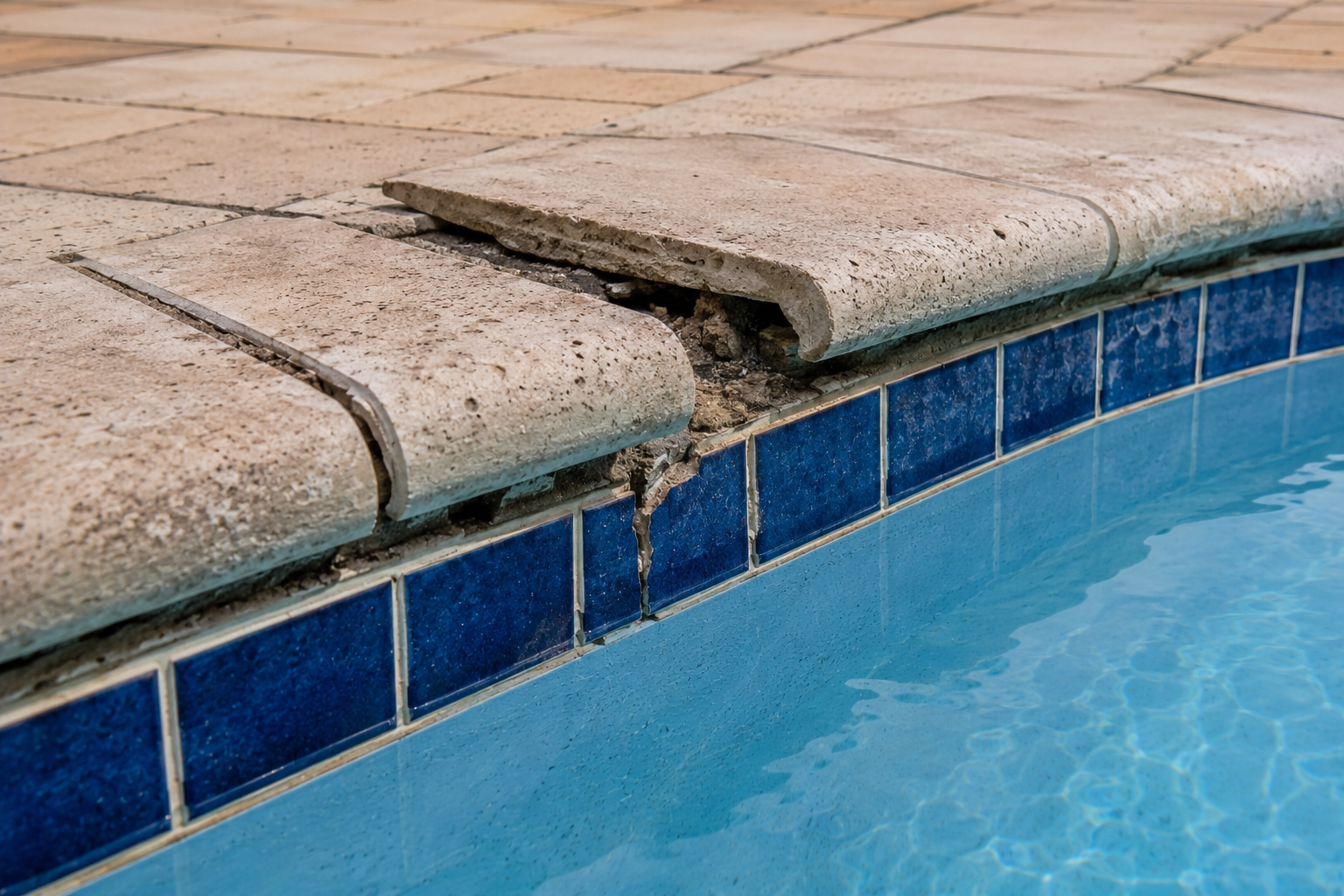
Loose, cracked or rocking pool coping can create sharp edges, unstable walking surfaces and openings that allow water beneath the pool surround. Absolute Pools provides pool coping repairs and replacement across Cape Town and surrounding areas.
Pool coping forms the finished edge around a swimming pool. It covers the top of the pool wall, provides a comfortable edge for swimmers and creates a transition between the pool structure and surrounding paving.
Coping can become loose when the mortar bed beneath it deteriorates, water enters through failed joints or the surrounding paving and pool structure move differently. Individual stones may begin rocking when stepped on before wider sections start cracking or lifting.
Cape Town pools are exposed to strong summer sunlight, winter rain, changing soil moisture and regular wetting around the pool edge. These conditions can gradually weaken old joints and expose movement in poorly supported paving or ageing pool surrounds.
Loose coping should not simply be pushed back into place. The stone, mortar bed, pool edge and surrounding paving should be assessed so the repair addresses the cause rather than only the visible movement.
Coping problems often begin with small changes that become more noticeable over time.
Common signs include:
Movement around one coping stone may be isolated. Several loose stones or a continuous crack along the pool edge can indicate a wider support, drainage or structural problem.
Fill the form below and our team will be in touch with you shortly.
Pool coping is commonly installed on a mortar bed over the top of the pool wall.
As the mortar ages, it can crack, crumble or separate from the coping stone. Water entering beneath the stone may gradually wash out loose material and weaken the remaining support.
The coping can then rock when stepped on even though it still appears to sit in its original position.
The old mortar should be removed back to secure material before the coping is reset.
The joints between coping stones help prevent water and dirt from entering beneath the installation.
When these joints crack or fall out, pool water, rain and cleaning water can reach the mortar bed. Repeated wetting and drying can accelerate deterioration.
Repairing the joints early may prevent the coping itself from becoming loose. Once movement has started, regrouting alone is usually not enough.
Water can enter through failed joints, cracks, loose tiles and gaps between the coping and paving.
Moisture beneath the coping can soften weak mortar, move fine material and encourage plant growth. In colder conditions, repeated wetting can also increase deterioration around already cracked sections.
The path of the water should be corrected before the coping is reset.
Pool paving and the pool structure do not always move together.
Paving may settle, expand or lift because of poor compaction, tree roots, leaking pipes or changing soil moisture. This movement can place sideways or upward pressure on the coping.
The coping may crack, tilt or separate from the pool wall as the adjoining paving shifts.
Paving repairs may therefore be required together with the coping work.
Coping may fail early when it was installed over dust, loose material or an uneven surface.
Insufficient mortar coverage can leave hollow areas beneath the stone. The coping may appear secure initially but begin rocking after regular foot traffic and water exposure.
The mortar bed should support the full coping piece rather than isolated points.
Pool coping requires materials suitable for exterior use, moisture exposure and the specific coping type.
An unsuitable adhesive or weak mortar mix may not bond securely to the pool edge. Movement and water exposure can then cause the coping to separate.
Replacement coping should be installed using a system compatible with the stone, concrete edge and surrounding conditions.
The upper part of a concrete or gunite pool can crack or move.
This may affect the coping, waterline tiles and adjoining paving at the same time. A continuous crack through several materials is more concerning than one isolated loose stone.
Structural movement should be repaired before new coping is installed. Resetting stones over an active crack may result in another failure.
Poorly compacted soil or leaking water can allow the ground around the pool to settle.
The paving may sink away from the pool while the coping remains attached to the structure, or the coping support itself may lose stability.
Cracks and height differences can develop along one side of the pool.
The affected ground and paving support should be repaired before the finished edge is restored.
Some soils change volume as their moisture level changes.
Cape Town’s dry summers and wet winters can expose weaknesses in pool surrounds where drainage and support are inadequate. Paving and coping may move slightly between seasons.
Flexible movement joints and suitable drainage can reduce stress between the pool structure and surrounding surfaces.
An underground pool pipe leak can release water beneath the paving and coping.
Escaping water may wash away bedding material, soften soil and create voids. The coping can become loose while nearby paving begins sinking or cracking.
Persistent wet areas, unexplained water loss and repeated movement around the same section may justify leak detection before repairs begin.
The skimmer is commonly positioned close to the pool edge and coping.
A failed skimmer joint, cracked body or leaking pipe connection can release water behind the wall and beneath the surrounding paving. Coping near the skimmer may become loose or develop recurring cracks.
The skimmer and its plumbing should be checked where coping movement occurs together with water loss or wet paving.
A movement joint may be installed between the coping and the surrounding paving or deck.
When the joint becomes hard, cracked or missing, the paving can push directly against the coping as it expands. This pressure may loosen stones, crack grout and damage the upper pool wall.
The joint should allow controlled movement without leaving an open path for water.
Roots can lift paving, disturb supporting soil and place pressure on the pool surround.
The coping may become uneven on the side closest to a large tree or established planting. Root damage can also affect underground plumbing.
The surrounding landscaping should be considered when coping repeatedly moves after repair.
Coping stones can crack or loosen when struck by heavy furniture, equipment or materials used during renovation work.
The damage may remain limited to one stone, but the surrounding mortar should still be checked for hidden cracking.
Broken coping with sharp edges should be repaired promptly because swimmers regularly grip and sit on the pool edge.
Older coping and mortar naturally deteriorate through years of sunlight, water exposure and foot traffic.
The joints may become brittle, stains develop and several stones begin sounding hollow. Repairs made at different times can also leave inconsistent support around the pool.
When failure affects much of the edge, replacing the complete coping line may be more practical than resetting individual stones repeatedly.
Fill the form below and our team will be in touch with you shortly.
A coping stone that moves underfoot has lost secure support or bonding.
The movement may be slight at first and become more noticeable as the mortar beneath it breaks down. Water can enter the growing gap and loosen the stone further.
Rocking coping creates a safety concern because people walk, sit and pull themselves out of the pool using the edge.
The stone should be lifted carefully so the mortar bed and pool edge can be inspected before it is reset.
A cracked coping stone may result from impact, poor support or movement beneath it.
The crack can create a sharp edge and allow water into the mortar bed. Small fractures may remain stable, while wider cracks can split the stone into separate moving sections.
Repair may be possible in limited cases, but replacement is often more reliable when the coping has broken through completely.
Raised coping may indicate pressure from expanding paving, tree roots or movement in the supporting bed.
One edge may lift while the opposite side remains attached. The stone can then rock and create a trip hazard.
The cause of the upward pressure should be addressed before the coping is reset.
Fill the form below and our team will be in touch with you shortly.
Sinking coping can result from failed mortar, loss of support or deterioration of the pool edge beneath it.
The stone may sit lower than neighbouring pieces, allowing water to collect in the joint. Water can then enter beneath the surrounding coping and widen the affected area.
The substrate should be rebuilt to restore a consistent height and slope.
Visible gaps show that the coping is no longer fully supported.
The opening can collect water, dirt, insects and plant growth. It may also expose sharp mortar edges near the pool.
Filling the visible gap from the outside does not necessarily restore support beneath the stone. The loose coping may need to be removed and reset properly.
Pool corners contain several changes in direction and can concentrate movement.
Mitred or shaped coping pieces may loosen when joints crack, the paving pushes against them or the supporting mortar becomes uneven.
Corner stones should be aligned and supported carefully because small height differences are more noticeable in these areas.
Fill the form below and our team will be in touch with you shortly.
Coping near the skimmer can loosen because of movement around the skimmer body, failed joints or leaking connections.
The skimmer opening interrupts the continuous pool wall and often contains several different materials. These can move independently and create cracks around the coping and waterline tiles.
Water loss, wet paving and cracks around the skimmer should be investigated before the coping is reset.
Coping movement can place pressure on the tile band beneath it.
Tiles may crack, sound hollow or begin falling away. The grout joint between the coping and tiles may also open.
Coping and tile repairs should be coordinated so one repair does not damage the other.
Cracked grout can allow water behind both the tiles and coping.
The visible joint may be only the first sign of a larger bonding problem. Several adjoining stones and tiles may already be hollow.
The damaged section should be opened far enough to reach secure material before the edge is rebuilt.
Fill the form below and our team will be in touch with you shortly.
Coping movement together with sinking paving often indicates loss of support beneath the pool surround.
Possible causes include poor compaction, leaking water, washed-out bedding material and soil settlement.
Relaying only the visible paving may not provide a lasting result when an active leak continues beneath it.
The pool edge, paving base and drainage should be assessed as one area.
Persistent moisture may come from splashing, rainwater, irrigation or an underground leak.
Wet paving concentrated around one coping section can indicate a leaking pipe, skimmer connection or structural crack.
The source should be located before the coping and paving are repaired, particularly when the pool is also losing water.
Loose coping itself does not normally create major water loss because it sits above the normal waterline.
However, the movement may be connected to a cracked upper pool wall, leaking skimmer or damaged pipe beneath the surrounding paving.
The pool should be tested when the water level drops repeatedly or stabilises near the skimmer or tile line.
Fill the form below and our team will be in touch with you shortly.
A crack continuing from the coping into the waterline tiles or pool wall may indicate structural movement.
Resetting the stone without repairing the crack can allow the new mortar and grout to fail again.
The full crack should be exposed and assessed before the pool edge is refinished.
Movement at the pool edge can allow water behind the finish beneath the coping and tile line.
Marbelite may sound hollow, crack or peel away near the top of the pool wall. Loose surface material should be removed before coping and tile repairs begin.
Where the pool finish is failing more widely, resurfacing may be coordinated with the edge repairs.
Heavy rain can saturate soil and expose poor drainage around the swimming pool.
Water may collect beneath paving, wash out supporting material or enter cracked coping joints. Existing movement can become more noticeable during Cape Town’s wet winter periods.
Drainage should direct water away from the pool surround rather than allowing it to remain trapped along the edge.
Fill the form below and our team will be in touch with you shortly.
Long dry periods can cause soil movement and shrinkage in certain areas.
Gaps may open beneath paving and around the pool edge. The coping can begin cracking or separating where different materials move independently.
The surrounding support and movement joints should be assessed rather than treating the loose stone as an isolated defect.
Coping may be disturbed during resurfacing, tiling, paving or plumbing repairs.
The stones can loosen when nearby material is removed, heavy equipment is used or the existing mortar is damaged. New paving may also be installed too tightly against the coping.
The coping should be checked before the renovated area is considered complete.
New paving can place pressure on the existing coping if suitable separation and movement allowance are not provided.
The paving may expand and push towards the pool edge. Coping joints can crack, and stones may begin lifting.
The transition between paving and coping should be detailed to accommodate movement and prevent water entry.
Fill the form below and our team will be in touch with you shortly.
A plumbing leak may have washed away material beneath the pool surround before it was repaired.
Stopping the leak does not automatically restore the lost support. Coping and paving can continue moving until the affected base is rebuilt.
The repair area should extend far enough to remove unstable material and fill any voids.
Yes. Individual coping stones can often be reset when they remain intact and the pool edge beneath them is structurally sound.
The stone is lifted, and loose mortar, dirt and failed material are removed. The substrate is repaired and prepared before the coping is installed at the correct height and alignment.
The joints are then completed using suitable materials.
Resetting is less practical when the coping is cracked, badly stained, mismatched or failing across most of the pool edge.
Small chips may sometimes be repaired, particularly where the remaining stone is secure.
A coping stone cracked completely through is more likely to move again and may be better replaced. Repairs should not leave sharp edges or raised areas that affect swimmers.
The replacement should match the existing profile and thickness as closely as possible.
Fill the form below and our team will be in touch with you shortly.
Replacement may be appropriate when the coping is extensively cracked, loose, uneven or deteriorated.
A complete coping replacement can also be considered during pool resurfacing, waterline retiling or wider renovation work.
Replacing the full edge allows consistent alignment, joints and appearance. Underlying structural, skimmer and paving faults should still be repaired first.
One damaged stone can often be replaced when the surrounding coping remains secure.
Matching older coping can be difficult because the original product may be discontinued or weathered. A close complementary match may be required.
The replacement should not be forced into a space that has moved or narrowed. The surrounding joints and support should be corrected as part of the repair.
Fill the form below and our team will be in touch with you shortly.
Yes. Rocking, raised and broken coping can create trip, cutting and fall hazards.
Swimmers often hold the coping when entering or leaving the water. A loose stone can move unexpectedly or expose sharp mortar beneath it.
The area should be avoided until unstable pieces are secured.
Movement in coping can crack the grout and tiles below it.
Water entering through the open joints can weaken tile adhesive and loosen a larger section of the waterline band.
Repairing the coping early can reduce the risk of additional tile work.
One loose stone does not necessarily indicate structural damage.
However, widespread movement can allow water into the pool edge and expose cracks in the bond beam or upper wall. Persistent leaks and washed-out support can make the surrounding damage more extensive.
The underlying structure should be checked whenever several coping stones move together or cracks continue through the pool wall.
Fill the form below and our team will be in touch with you shortly.
Many coping repairs can be completed without draining the entire swimming pool.
The water may need to be lowered slightly where adjoining waterline tiles, grout or the upper pool wall require repair.
Larger structural repairs, resurfacing and extensive tile work may require a planned drain. The pool should not remain empty longer than necessary.
The repair begins by identifying all loose, cracked and hollow coping sections.
Affected stones are lifted carefully where they may be reused. Failed mortar, dirt and weak material are removed from the pool edge.
The substrate is checked for cracks, water damage and movement. Structural defects, skimmer faults and unstable paving support are repaired before the coping is reset.
The coping is installed at a consistent height and suitable slope. Joints and transitions to paving and tiles are then completed to limit water entry and accommodate movement where required.
Complete replacement may be suitable when most of the existing coping is loose, cracked or outdated.
The old coping and failed mortar bed are removed. The upper pool edge is repaired and prepared before the new coping is installed.
Waterline tiles, grout, expansion joints and surrounding paving can be coordinated during the same project.
The replacement coping should suit the pool shape, surrounding materials and intended use of the edge.
Fill the form below and our team will be in touch with you shortly.
A secure coping installation depends on a stable pool edge.
Repairs may be needed for:
Installing coping over unresolved damage can cause the new work to loosen again.
Paving beside the coping should remain stable and drain water away effectively.
Sunken or loose paving may need to be lifted so the base can be rebuilt. Leaks and washed-out material should be repaired before the paving is relaid.
A suitable joint should separate the paving from the coping where movement between the two surfaces is expected.
The finished levels should not direct rainwater towards open pool-edge joints.
Repair cracked joints before water enters beneath the coping.
Maintain drainage around the pool and address unexplained wet paving or water loss promptly. Avoid allowing paving to push directly against the pool edge without suitable movement allowance.
Check coping for rocking, hollow sounds and small gaps during routine pool maintenance.
Do not use loose coping as a lifting point or place heavy equipment on unsupported edge sections.
Well-prepared mortar beds, suitable installation materials and stable surrounding paving help provide a longer-lasting repair.
Fill the form below and our team will be in touch with you shortly.
Absolute Pools repairs loose, cracked and uneven swimming pool coping across Cape Town and surrounding areas, including the Northern Suburbs, Southern Suburbs, Atlantic Seaboard, Cape Town City Bowl, West Coast suburbs and Helderberg.
Service areas include Durbanville, Bellville, Brackenfell, Kraaifontein, Parow, Goodwood, Milnerton, Table View, Parklands, Blouberg, Century City, Pinelands, Rondebosch, Claremont, Newlands, Constantia, Tokai, Wynberg, Plumstead, Hout Bay, Sea Point, Green Point, Camps Bay, Somerset West, Strand, Gordon’s Bay, Stellenbosch, Paarl and surrounding areas.
Absolute Pools checks the coping, mortar bed, pool edge, waterline tiles, skimmer and surrounding paving before recommending repairs.
We assist with coping resets, coping replacement, pool edge repairs, waterline tiling, paving repairs, crack repairs and wider pool renovations.
Our focus is on restoring stable support and correcting the cause of the movement rather than filling visible gaps around coping that remains loose.
Loose pool coping can become a safety hazard, damage nearby tiles and allow water into the pool surround.
Contact Absolute Pools for pool coping inspections, repairs and replacement across Cape Town and surrounding areas.
Fill the form below and our team will be in touch with you shortly.
WhatsApp us